


For World Down Syndrome Day 2026, CoorDown explains why the R-word belongs in the past
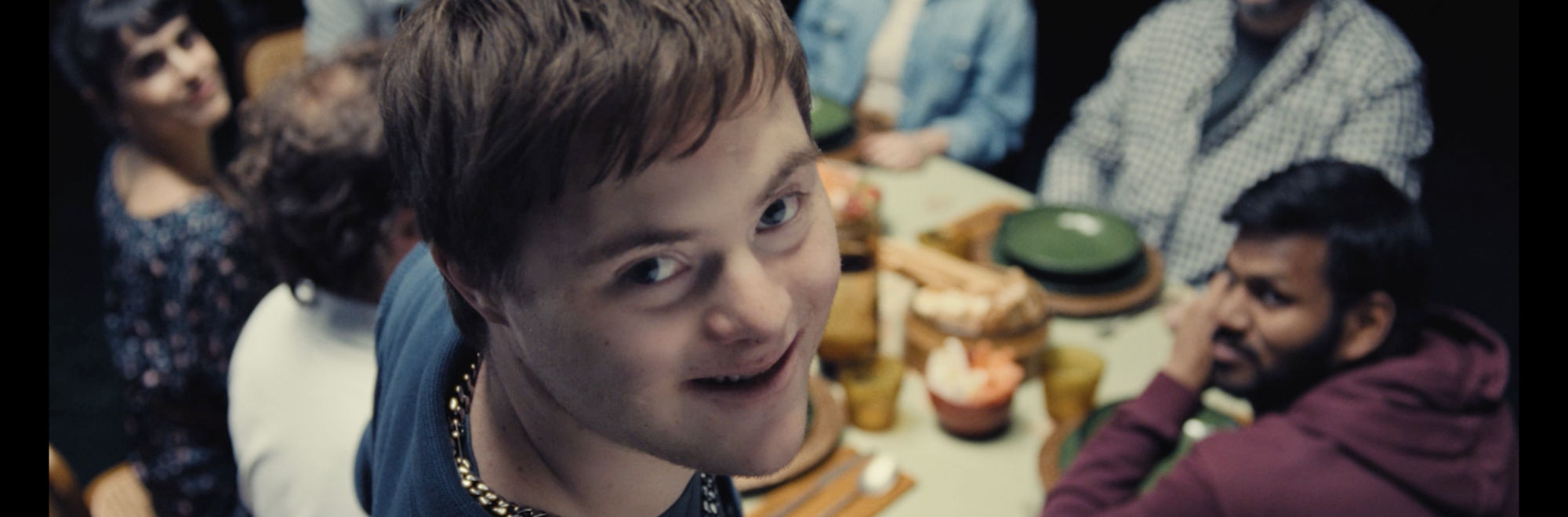
The R-word belongs in the past. Stop using it. Just evolve!
What happens when words about disability are used as insults or to make people laugh? The problem is not simply the use of “one wrong word”. The deeper issue is the ableist imagery that language reinforces and reproduces: in everyday conversations, in the media, within institutions. When disability becomes an insult, a metaphor to degrade, or a punchline, people are reduced to stereotypes and emotional shortcuts that dehumanise them.
This has real consequences: it reinforces stereotypes, legitimizes discrimination, and makes full participation in all areas of life more difficult, if not impossible, for people with disabilities.
Every culture has its own vocabulary of exclusion.
In English-speaking countries, the term “retarded” (often referred to as the 'R-word' for those who want to avoid saying it) is used. In Italy, words such as “ritardato” or “mongoloide” carry similar stigma, as does the derogatory use of "retardé" and “débile” in French, or “retrasado” or “mongólico” in Spanish.
Despite linguistic differences, the pattern is the same. These words are never neutral or harmless, they are not “just jokes”. They produce real harm for people with Down syndrome, and for all people with disabilities.
Launched for World Down Syndrome Day, 21 March 2026, the Coordown campaign calls on each of us to take a cultural step forward: to leave certain behaviours behind in the past, those words of disability used to insult, ridicule or degrade. This is a call to action for all people, schools, organizations, companies, institutions, and the media to evolve our language to create substantial change in every community. Because choosing more inclusive language is not just simply a matter of courtesy: it is an act that builds a fairer world in which everyone is recognised with dignity and respect.
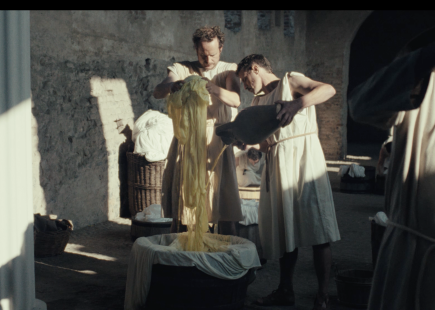
The campaign asks a simple question: if society has been able to leave harmful “old habits” in the past, why should it be so difficult to abandon words that harm?
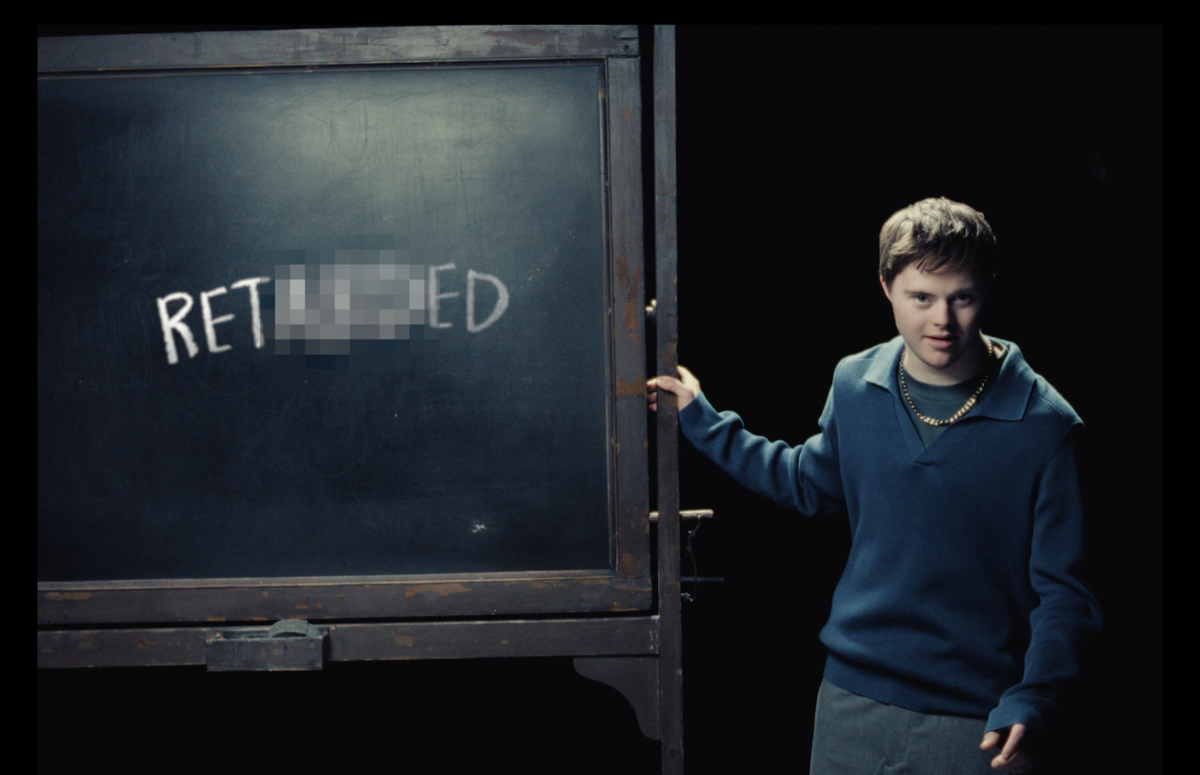
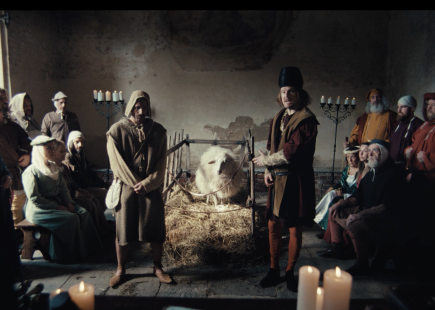
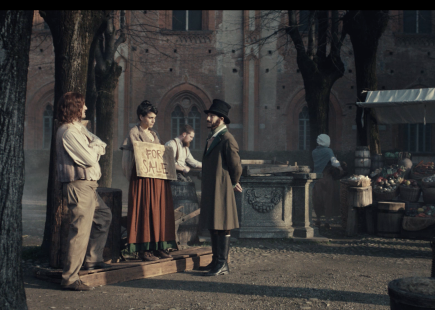
This is the idea at the centre of the film "JUST EVOLVE”. In a sarcastic and sharp tone, the protagonist — a young man with Down syndrome — explains to a man defending his “freedom of speech” why the “R-word” should no longer be used. As the conversation unfolds, the viewer is confronted with a series of historical practices that today seem absurd, disturbing or cruel— such as washing clothes with urine, applying eyebrows made of mouse hair, or selling one’s wife at the market. The film draws a clear parallel: just as we have left those practices behind, we can also leave behind the “R-word” and all the other words that harm and demean people with disabilities. It’s time to evolve and move on. Because if we keep using these words, then — as shown in the film — it is like continuing to wash clothes with urine!
The message of the campaign is simple: leave the R-word — and offensive language about disability — in the past. Because we evolve. And our language should too.
From today until 21 March, @CoorDown social media will host and amplify stories of people with disabilities and their families, in which they recount which habits of the past have been overcome and how it is time to evolve.
In addition, CoorDown has created an AI agent — curated by Fairflai — trained to guide users who want to understand more about the topic and take action, finding concrete actions to carry out in order to create a culture of respect and inclusion starting from language. With the “Just Evolve” campaign, CoorDown engages companies, media, schools and teachers, families, groups of friends and associations, asking them to commit and become part of the cultural change needed to overcome the “R-word” once and for all. As a first action, CoorDown has joined the petition launched by OMAR, Osservatorio Malattie Rare, which with an open letter asks to change the word “minorati” in the Italian Constitution.
Martina Fuga, President of CoorDown, states: "We are aware that 90% of the time people use these words it is not to directly offend people with disabilities. But their use contributes to creating a cultural context that associates disability with inability, failure and marginality. The words we choose shape reality — both that of others and our perception of it — they can include or exclude and clarify or confuse. We want to ask every person who still pronounces these harmful expressions today to stop. Not because “you can’t say anything anymore”. But because they belong to the past".
Credits
Agency: SMALL
Executive Creative Directors: Luca Pannese, Luca Lorenzini
Creative Director: Paolo Montanari
Managing Director: Alberto Scorticati
Account Manager: Valeria Ravizza
PRODUCTION COMPANY
Production Company: Indiana Production
Director: Martin Holzman
Director of Photography: Alvar Riu Dolz
Executive Producer: Karim Bartoletti
Senior Producer: Silvia Bergamaschi
Assistant Producer: Barbara Romanello
Senior Post Producer: Alga Pastorelli
Head of Talent Research: Giampaolo Rossi
Production Manager: Antonio Mastellone
Art Department: Amos Caparrotta
Costumes: Sara Gomarasca
Make-up&Hair: Teresa Basili
1st AD: Alberto Calveri
Editor: Luca Angeleri
Colorist: Danilo Vittori
Original Music: Alessandro Cristofori and Diego Perugini - Stabbiolo Music
Post Production Audio: Andrea Pestarino - Bravagente
Post Produzione Video: Proxima Milano
ACTORS
Noah Matthews Matofsky
Tim Daish
Harold Pierce
Sofia Chiarelli
Special thanks to Azzurra Vecchio
If you enjoyed this article, you can subscribe for free to our weekly email alert and receive a regular curation of the best creative campaigns by creatives themselves.
Published on: