


Ten creative women share their favourite piece of women-centric work from the last 12 months
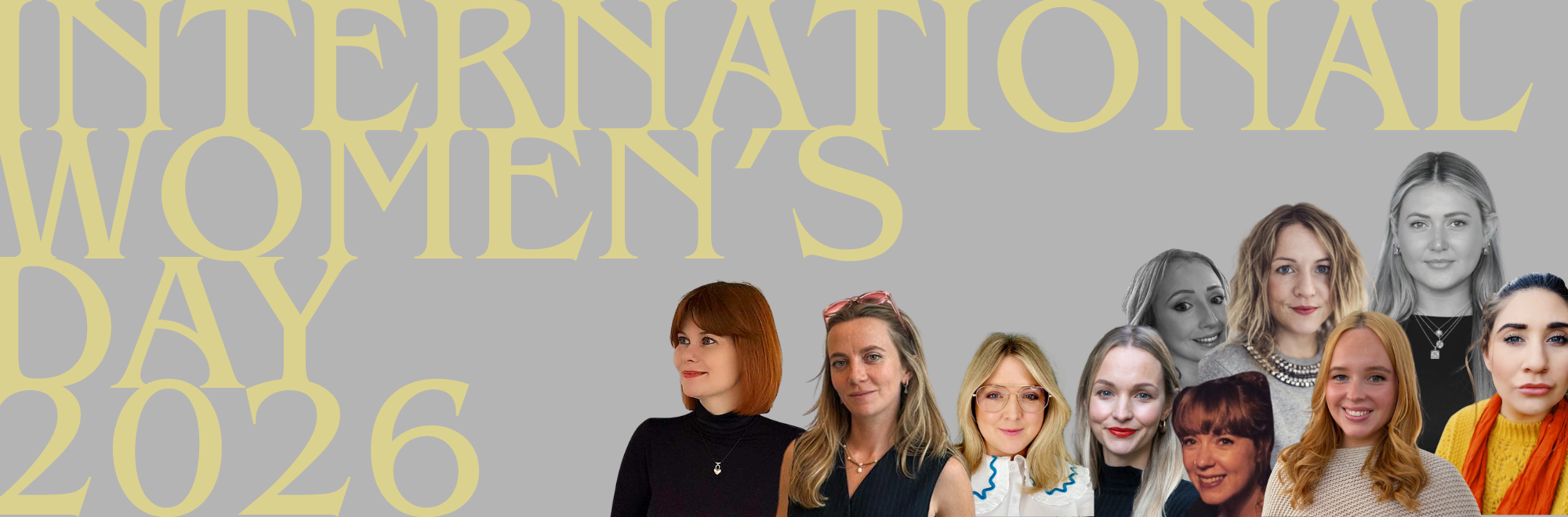
There are more women than ever stepping into creative roles in some of our most successful PR agencies.
And it’s an understatement to say that this hasn’t always been the case.
Finding my feet as newly anointed creative director at Hope & Glory a few years ago, I realised I didn’t know a single other woman creative in PR… so, I reached out to every one I could find on LinkedIn, and the response couldn’t have been warmer.
The Creative Collective was born.
Now, a group of over forty-strong women of all levels and all agencies, we share recruitment information, industry tips, profile opportunities and more. A rising tide lifts all boats, and we’re here to risk soaking our feet to throw that water on ourselves if required.
In celebration of IWD, here are ten outstanding creative women from that group, sharing their favourite piece of women-centric work from the last 12 months.
Enjoy.
AXA Home Insurance helps women trapped in domestic abuse
Amy Jones, board creative director, Hope & Glory PR
It's the era of purpose, LinkedIn tells us. From experience, I’d say this is often not the case with ‘unpalatable’ subjects like domestic abuse. Even more impressive, then, that AXA Home Insurance (France) had the balls to ignore that and act, undoubtedly saving lives.
When trapped in a cycle of domestic violence, there are many reasons to stay - housing and lack of accessible finances are key. AXA recognised this, adding domestic abuse to fire and flood as reasons they will provide immediate emergency housing, plus legal and financial support.
A seemingly small Ts and Cs change, a lifeline in practice.

Morley’s and Strut Safe highlight the value of late-night refuge
Rebecca Holmes, head of creative & strategy, Cirkle
Morley’s partnership with Strut Safe struck a chord.
We all know the chicken shop’s role in culture - but it has another we talk about less: the reality of ducking into an open chicken shop or local kebab shop for refuge on the late-night walk home.
Open doors become beacons of hope when we notice someone walking too closely or following us from the bus stop. A simple idea, and a poignant reflection of our shared reality as women and girls.
I’d welcome more work like this and more recognition of the value and safety these stalwarts of our community provide.

The Undropped Kit by Asics helps girls feel more comfortable with sport
Elle Bellwood, senior creative, The Academy PR
In Summer 2025, ASICS launched the Undropped Kit, a PE uniform designed specifically for teenage girls to make sport more comfortable and reduce dropout rates.
It stopped me mid-scroll.
I remember shrinking myself in PE, feeling hyper aware of my body instead of my ability. The strongest creative ideas listen to their audience when it matters most, and this did. It felt overdue. Why had no major sports brand tackled making teenage girls feel comfortable before? I love that it fuels confidence, comfort and a generation of young women who refuse to sit on the sidelines.

Make Matrescence Mainstream by Tommee Tippee X Peanut
Daisy Phillips, creative director, Freelance
Last week, Tommee Tippee x Peanut launched Make Matrescence Mainstream with an ad in the New York Times that read: “IDGAF is in the dictionary. Matrescence isn’t.”
Even as I write this, the word used to describe the huge physiological, psychological and emotional transformation of becoming a mother is stubbornly underlined in red. A woeful reminder that when it comes to women, society doesn’t always GAF.
As a mother of two, I’m glad this parenting behemoth used its ad spend to give this airtime. If men underwent this level of biological transformation, you can bet we’d all know its name.

Mother Vérité by Frida
Jo Chappel, executive creative director, VCCP Roar
Wheeled out of St Mary’s after an emergency C-section, far from a glowing royal, I was a scared, dazed, swollen husk in disposable pants, feeling like I’d failed the Instagram test. Frida’s seven-foot statue, Mother Vérité - created with artist Rayvenn Shaleigha D’Clark using 3D scans of postpartum women - replaces that glossy lie with bracing realism.
By elevating the fourth trimester to monumental status, Frida celebrates grit over glow. After touring Frieze and Art Basel, the statue returned to London for a long-term residency - a powerful reminder that new mothers are real-life heroes, especially in their most raw and unfiltered moments.

'Look Up' by Transport for London
Lucy Doolan, creative director, Havas SO
In spring last year, Lucy Baker (fellow Lucy, Creative Collective member and Creative Moment contributor) popped up on my LinkedIn feed with a brilliantly simple idea that was looking for a home.
She’d noticed something we all see on the Tube: pregnant women or disabled passengers standing while others stare down at their phones.
Her solution was to use the floor, applying stickers reminding people to “Look Up” and offer a seat. I love seeing small, reactive ideas make everyday life better. Kudos to Transport for London for taking her up on it — and to the people offering women with bumps a seat.

Don’t Call it Love when it is coercive control says YSL
Rachel O’Malley, creative director, FleishmanHillard
Last IWD Yves Saint Laurent launched a campaign about coercive control – a bold move for a luxury brand that could have been classed as ‘woman washing’.
The team behind “Don’t Call it Love” deliberately mimicked the codes of classic perfume advertising to tell the control story, turning tropes like charged glances and cinematic intimacy into early signals of jealousy, surveillance and isolation.
Crucially, pairing the message with multi-year funding for frontline NGOs, so whilst the brand benefitted, the combination of creative storytelling, cultural subversion and sustained support ensured a show of allyship, not a one-and-done bit of reputational polish.

Women with Altitude by OnePlus remembers extraordinary women
Lucy Baker, creative director, Earnies
Quick, name a famous explorer. Chances are, a man just popped into your head, right? Columbus, Shackleton, Fiennes... But female adventurers? Crickets. History has a funny habit of putting them firmly in the footnotes.
That's exactly why I'm obsessed with this OnePlus campaign by Scarlet Pughe. Three extraordinary women, Elise Wortley, Edurne Pasaban, and Lotta Hintsa, retraced the forgotten footsteps of 19th-century mountaineer Dorothy Pilley across Corsica, OnePlus 13 in hand, proving that women were always there.
We just weren't told about them. Until now.

Hot Flush TV, Menopause Mandate and Amazon share real reviews from real women
Emma Leahy, associate creative director, Taylor Herring
When it comes to women’s health, misdiagnosis, gaslighting and misinformation are commonplace (lucky us!). So I loved this witty 80s-inspired ‘Hot Flush TV’ from not-for-profit organisation, Menopause Mandate, which takes aim at the mountain of misinformation that’s out there around both perimenopause and menopause, whilst also spotlighting the actual symptoms women deal with.
The organisation also teamed up with Amazon to make the menopause a proper ‘shoppable’ product. For 99p (which was donated back to the organisation), women could leave real ‘reviews’ of their menopause experience, creating an unexpected space for conversation and a community-driven bank of stories and support.

Bol takes every day sexism and Flips the Script
Scarlet Pughe, senior creative, The Romans
“Do you think your looks helped you get promoted?” It’s a question many successful women have faced, framed as flattery but rooted in doubt.
Dutch retailer Bol took that everyday sexism and flipped it on its head.
In a staged interview, men were asked the kinds of questions women routinely endure about appearance, family plans and emotional resilience. By reversing roles, Bol made bias impossible to ignore, exposing how deeply these assumptions shape hiring and progression.
It did more than spotlight recruitment inequality; it held up a mirror to the broader workplace culture that still questions women’s credibility.
If you enjoyed this article, you can subscribe for free to our weekly email alert and receive a regular curation of the best creative campaigns by creatives themselves.
Published on: