



The future of innovation-led brand stories and creativity
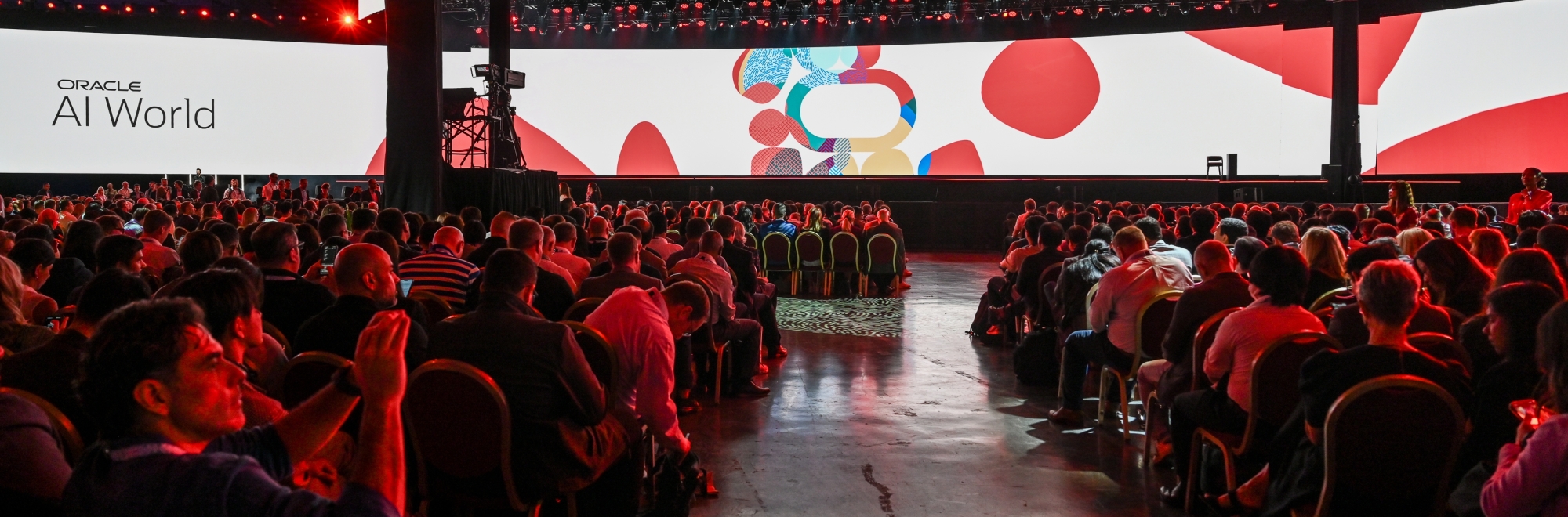
Technology and human instinct are reshaping what global brand storytelling and experiential creativity can do, says Kristina McCoobery, global president, INVNT.
There's a question the events and experiential industry has been dancing around for years: what does it actually mean to be creative when the tools themselves have become extraordinary?
AI can generate feeling-inspiring content in seconds and augmented reality turns a conference hall into a portal. For some, that feels unsettling, but for others, it's precisely where the most interesting work begins.
I have found that innovation and creativity have always had a dynamic relationship.
Creativity, at its core, is instinct and the willingness to follow an idea into the uncomfortable. Whereas innovation is the mechanism that gives those instincts scale. When the two are working together with genuine intention, moments are created that stay with people long after the event or campaign moves on.
When technology expands the plot
The experiential industry has spent considerable energy chasing the next impressive capability. That chase has produced some genuinely spectacular work, including Xerocon’s AI Music Factory, Samsung’s tech-forward Unpacked events, Netflix’s radically immersive Squid Games experiences around the world, and more.
Yet, it has also produced a great deal of work that impresses for thirty seconds and leaves nothing behind.
The difference between the two rarely comes down to the technology itself, but rather whether the technology was placed in the service of something emotionally true.
Let’s not patronise our audiences, they are sharper than they're given credit for. They can feel the difference between an experience designed around genuine insight and one designed around a new capability looking for a reason to exist. The former creates a connection that outlasts the moment, whereas the latter generates content and not much else.
The real creative challenge lies in developing the judgement to know when a tool genuinely deepens an idea, not in mastering the tools, which will keep evolving regardless.
Community as a creativity driver
Something that shapes the quality of innovation-led work is who is generating the ideas in the first place. Homogeneous teams, however talented individually, tend to produce work with a narrower range of emotional register. They make things that resonate powerfully with people who share their frame of reference, and land softly or not at all with everyone else.
The creative industries have historically struggled with this, and the output is reflected in the real world.
Work that feels genuinely universal, the kind that crosses cultural boundaries and speaks to people who weren't necessarily in the target brief, almost always comes from teams with meaningfully different perspectives, neurodiversities, and life experiences shaping the thinking.
The most innovative creative work comes from having people in the room who see the world differently and a culture that lets those perspectives genuinely shape the outcome. Access to extraordinary technology means very little without that foundation.
What resonance looks like now
Consumer behaviour has shifted in ways that make the old metrics increasingly inadequate. Reach matters, but it has never been a weaker proxy for impact than it is right now. Audiences are fragmented, and long-term attention is genuinely scarce, while the volume of content competing for it grows continuously. We all know, this is all the industry talks about!
Against that backdrop, the brands making ground are those that have moved their thinking away from how many people saw something, toward how deeply it moved the people who did.
Whether an experience holds someone's attention longer than expected, or compels them to share it because they want others to have it, says something that no impression count can adequately capture.
Post-event advocacy, the conversations and activation generated in the days after it happens, have become a far more honest signal of whether creative work has actually done something meaningful.
Emotional relevance requires a genuine understanding of what an audience cares about before a single idea is formed.
The judgment gap and final thoughts
Technology will keep accelerating. Humanity will keep supercharging itself with the latest and greatest tools. The capability available to creative teams twelve months from now will exceed what's available today, and the same will be true the following year.
What won't automatically improve alongside it is the judgment required to use those capabilities well (one of the most valuable skills in the creative industry). It comes from a deep investment in understanding what audiences actually need, with the patience to let that understanding shape the work before any tool is considered. Meet people where they are.
Let’s look at this practically for business. The instinct to adopt the newest capability as soon as it becomes available is understandable, particularly when standing still feels like falling behind. But the organisations producing the most durable creative work are those that ask a harder question before reaching for a new tool: does this deepen the idea, or does it just demonstrate that we could?
Human creativity has always been the differentiator that technology cannot replicate on its own. The future belongs to those who treat innovation as something in service of that, rather than a substitute for it.
Image credit: Oracle AI World - Courtesy of INVNT
If you enjoyed this article, you can subscribe for free to our weekly email alert and receive a regular curation of the best creative campaigns by creatives themselves.
Published on: