


Tough economic times call for cautiously curated campaigns
Consumerism is exploding and we’re falling victim. Or are we?
The cost of living is argued to be the worst it’s been in 40 years, yet people are spending more, but that’s largely driven by inflation. We’re actually getting less for our money.
The truth is: our needs and wants aren’t reducing, they are becoming less accessible, which raises an important question.
How are brands leveraging scarcity? Let’s discuss.
Case Study #1: B&&&&&&&&&&Q
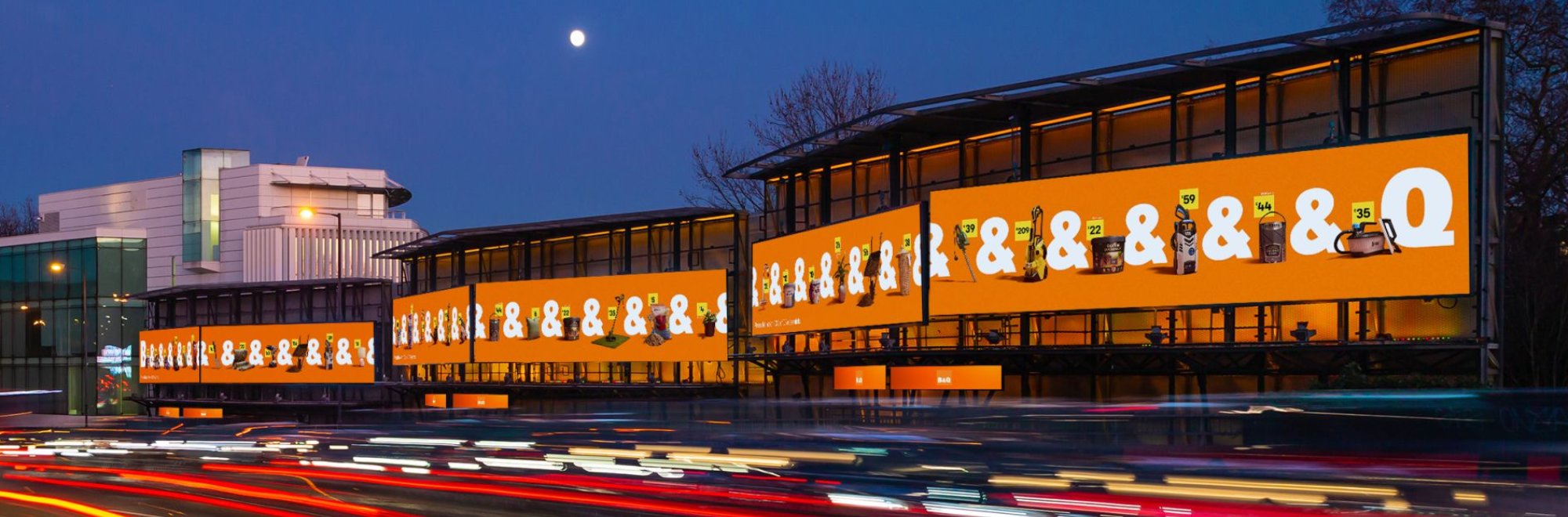
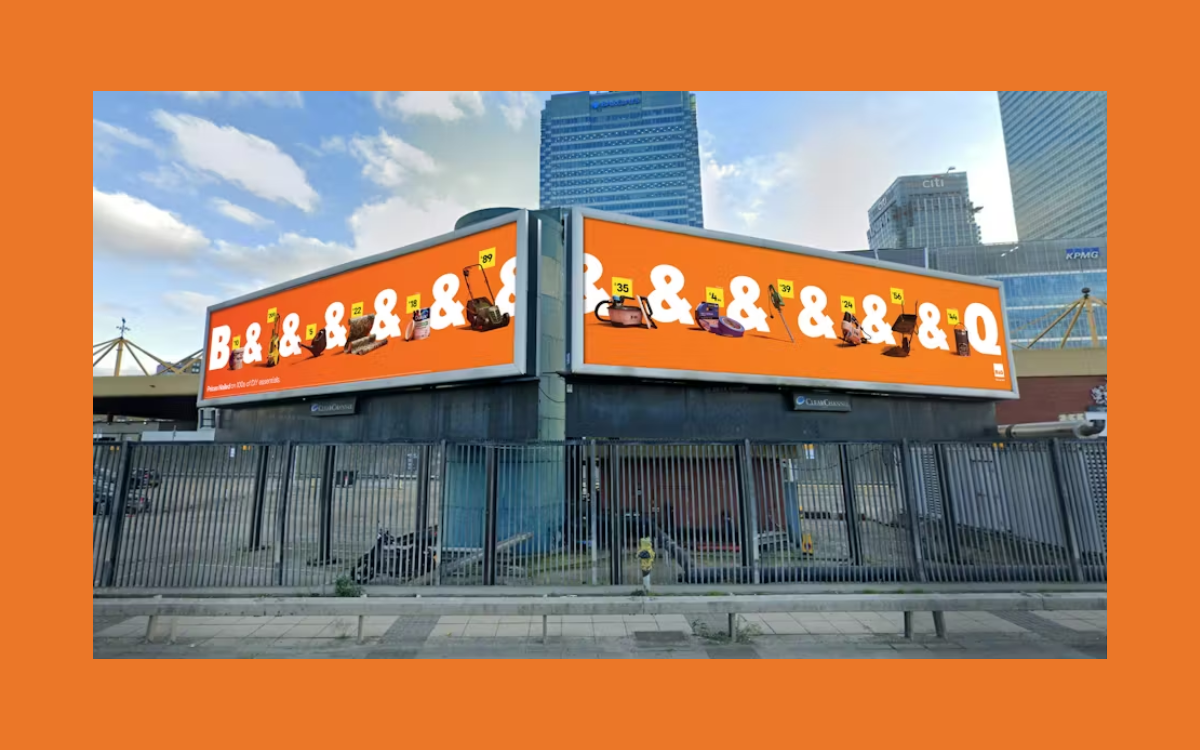
Leo Burnett made its (admittedly striking) debut campaign, shown below.
While people may have previously done full-house renovations and even hired professionals, spending is now more focussed on smaller, DIY jobs done in sections and over time.
B&Q has a huge range of stock, which this ad helps to break down and is therefore well-matched to this new consumer tone. It’s an ad that works hard to inspire us to notice those loose doorknobs, niggling hinges, and squeaky drawers, while still keeping products vast and vague for maximum reach.
Case Study #2: Yonder
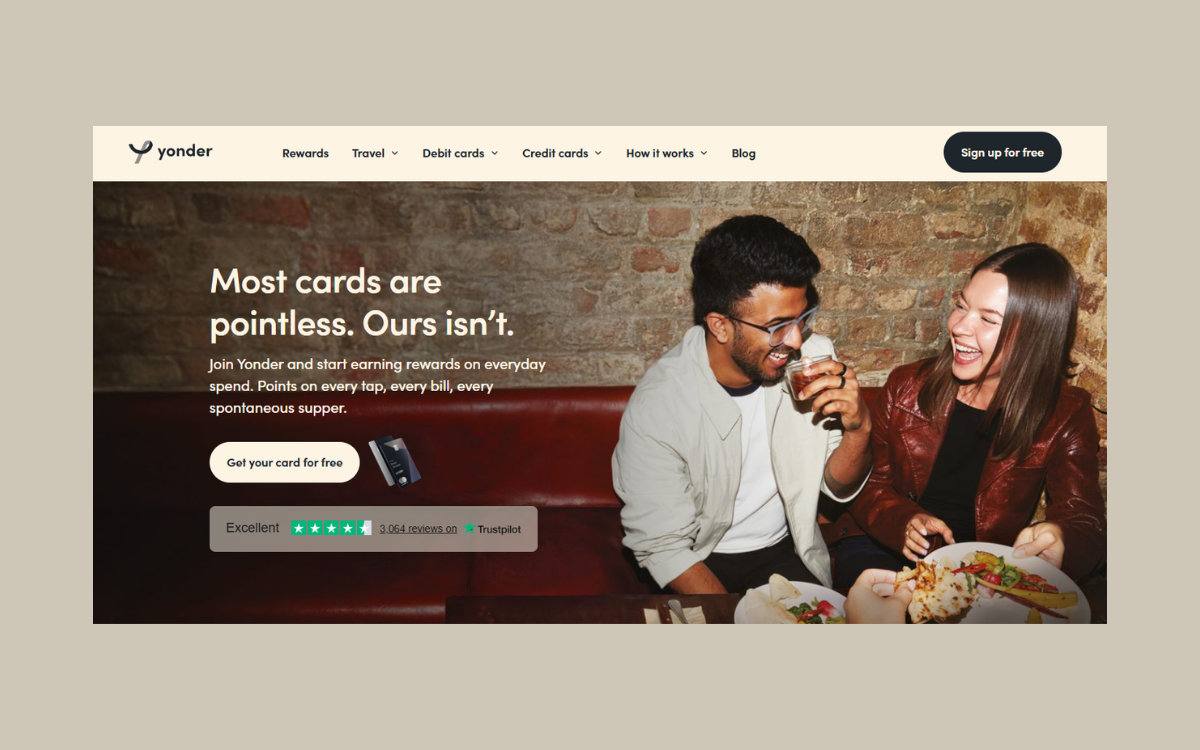
While B&Q encourages practical and meditative spending, Yonder’s campaign is anchored in our more aspirational spending goals.
Social media is the sticky nectar that attracts and reminds us of glamorous holidays and shopping, but that does not make these things accessible; it just reminds us that we’re still tempted by luxuries.
Under economic strain, we are not looking to finance our next getaway; we’re seeking smaller but still emotionally rewarding treats, like the “coffee”, “sweat treats”, and “yoga” Yonder references. Like B&Q, Yonder are subtle in its hints to this spend change.
This long list does a great job at disguising the true essence of its campaign: you have to spend first to get the points that pay for the reward. The phrase “we’ve run out of space” reinforces the perception of limitless opportunities and encourages customers to see spending as exciting, not restrictive.
Overall, this campaign shows that customer spending remains resilient, despite our purse strings being tied in knots.
Case study #3: IKEA - Redaction in action
As with most trends, where there is push, there is pull.
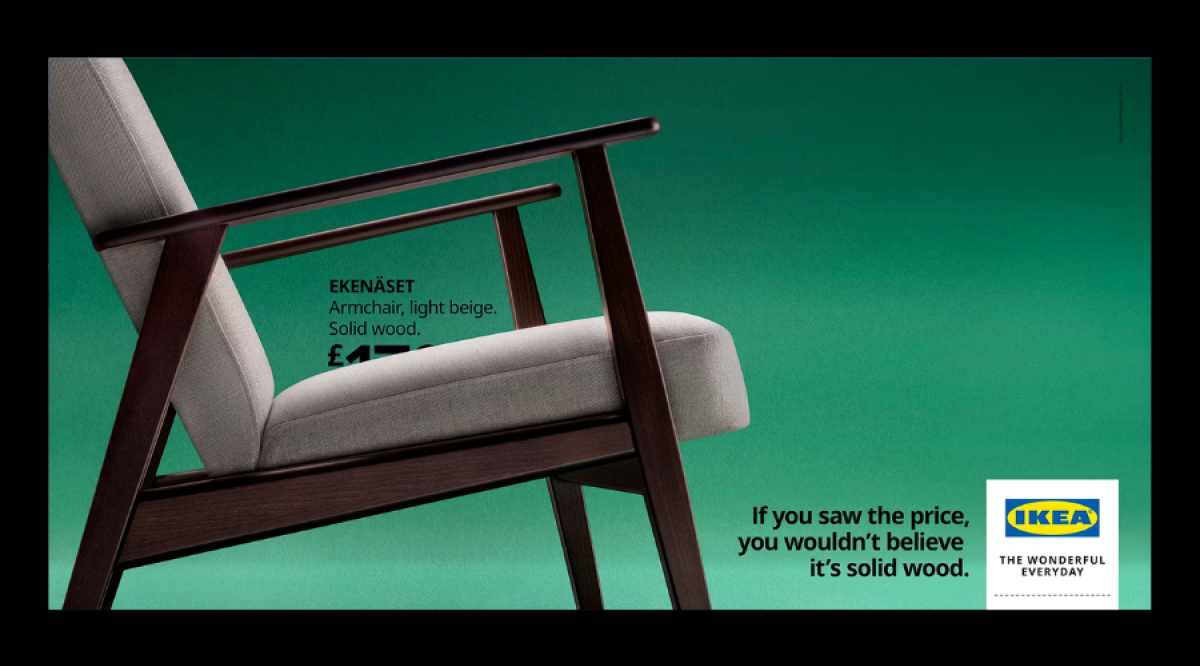
Unlike B&Q and Yonder, IKEA gives you one option. They leave the price to intrigue, and instead focus on quality (solid wood, stainless steel, velvet).
This approach prioritises consumer long-term visions – buying selective, quality pieces for their home over time - but encourages short-sighted action - visiting the website to check the real price.
Naturally, as the top furniture retailer, IKEA are in a really strong position; do you think B&Q and Yonder could afford to pull off something similar? Probably not.
In conclusion, in a time of economic strain, excess is no longer shouted: it’s implied, stylised, or partially hidden.
It relies on resilient consumer desire but takes a broad, less targeted approach.
Ultimately, this is brands playing it safe. Spending trends are unpredictable, so rather than pushing immediate consumption, these campaigns are designed to stay relevant across shifting behaviours and changing economic climates.
Excess hasn’t disappeared; it’s been disguised as the illusion of choice. Ads like these that aren’t too specific or too prescriptive work well only to plant a seed – one that may bloom when the moment calls for it.
If you enjoyed this article, you can subscribe for free to our weekly email alert and receive a regular curation of the best creative campaigns by creatives themselves.
Published on: