


Creative Corner: Sunderland FC's Black Dog, Shelter's Foundation to Thrive and 14th Century augmented reality
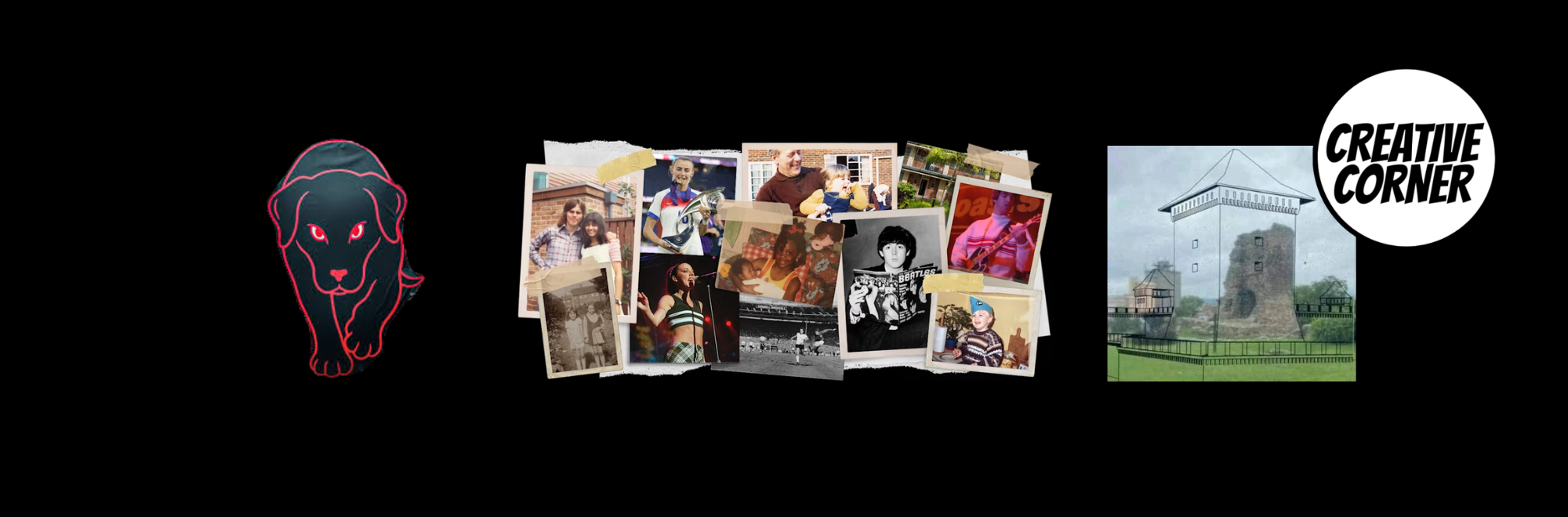
This week’s round-up is all about reframing.
Starting with the disruption of over a century of sporting identity to generate a conversation about depression, on to using the childhood homes of global superstars to demand better social policy, and ending on a literal reframing of history itself, the best work of the week has been about looking at the familiar through a different lens.
Sunderland AFC: A new breed of mascot
Football crests are usually sacred, untouchable assets for their fandom, but for the right cause, even the most guarded brand assets can be reimagined to speak louder than words. To mark Mental Health Awareness Week this week, Sunderland AFC Principal Partner, alongside sports media brand LiveScore, has made the bold move of swapping its historic Black Cat for a Black Dog.
The shift is a literal play on the ‘Black Dog’ metaphor (supposedly popularised by Winston Churchill) to describe the heavy, lingering nature of depression. By temporarily rewriting its iconography from cat to dog across social media and digital touchpoints, as well as the club’s Black Cat House near the stadium, the club managed to do something a standard awareness post rarely achieves: a visual jolt for the fans.
What makes this a creative winner is its total ownability; it’s a campaign that lives in the very DNA of the club’s name. But beyond the clever wordplay, there is a sobering necessity to the work.
The North East continues to record the highest suicide rates in England- a statistic that makes this more than just a clever logo swap. It’s a localised, urgent intervention.
By using the crest as the one thing every fan looks to for hope, to acknowledge the Black Dog, the campaign invites the community to engage with the Foundation of Light’s ‘Game of II Halves’ programme: a local initiative to encourage positive mental health in men aged 16+. In the high-pressure, often stoic world of football, it’s an invitation for fans to talk about the things they usually keep hidden under their scarves.
Shelter: talent born from social housing
In a climate where social housing is often discussed only through the lens of policy failure or safety nets, Shelter’s latest film, Foundation to Thrive, is a necessary counter-narrative. The 70-second spot celebrates the sheer scale of talent that grew up in council-built homes - from Adele and Sir Paul McCartney to Chloe Kelly and the Gallagher brothers.
It’s an unapologetic celebration of working-class heritage and the cultural powerhouses that have shaped Britain from within the walls of social estates.
By framing these homes as a launchpad for talent and community to thrive, Shelter successfully shifts the conversation from stigma to a sense of collective pride.
Beneath the celebration lies a sharp nudge to the government, however. The campaign arrives as homelessness reaches record highs, making its point clear: when we stop building social homes, we aren't just failing to provide four walls, we are actively stifling the potential of the next generation. It manages to turn a serious policy demand into a celebratory anthem, reminding us that some of our greatest national stories began on a council estate; a highlight that social housing is an investment in human potential, or as the film describes it: “Building families and futures. Communities and opportunities.”
The 14th Century’s answer to augmented reality
I spotted this one on the r/castles subreddit while doing some travel research for an upcoming trip to Lithuania, and have seen it on a few other social feeds and creative sites since. While it’s not a traditional PR campaign, it’s a bit of creative ingenuity that heritage sites around the world should embrace (although apparently they already are, according to some pedantic commenters).
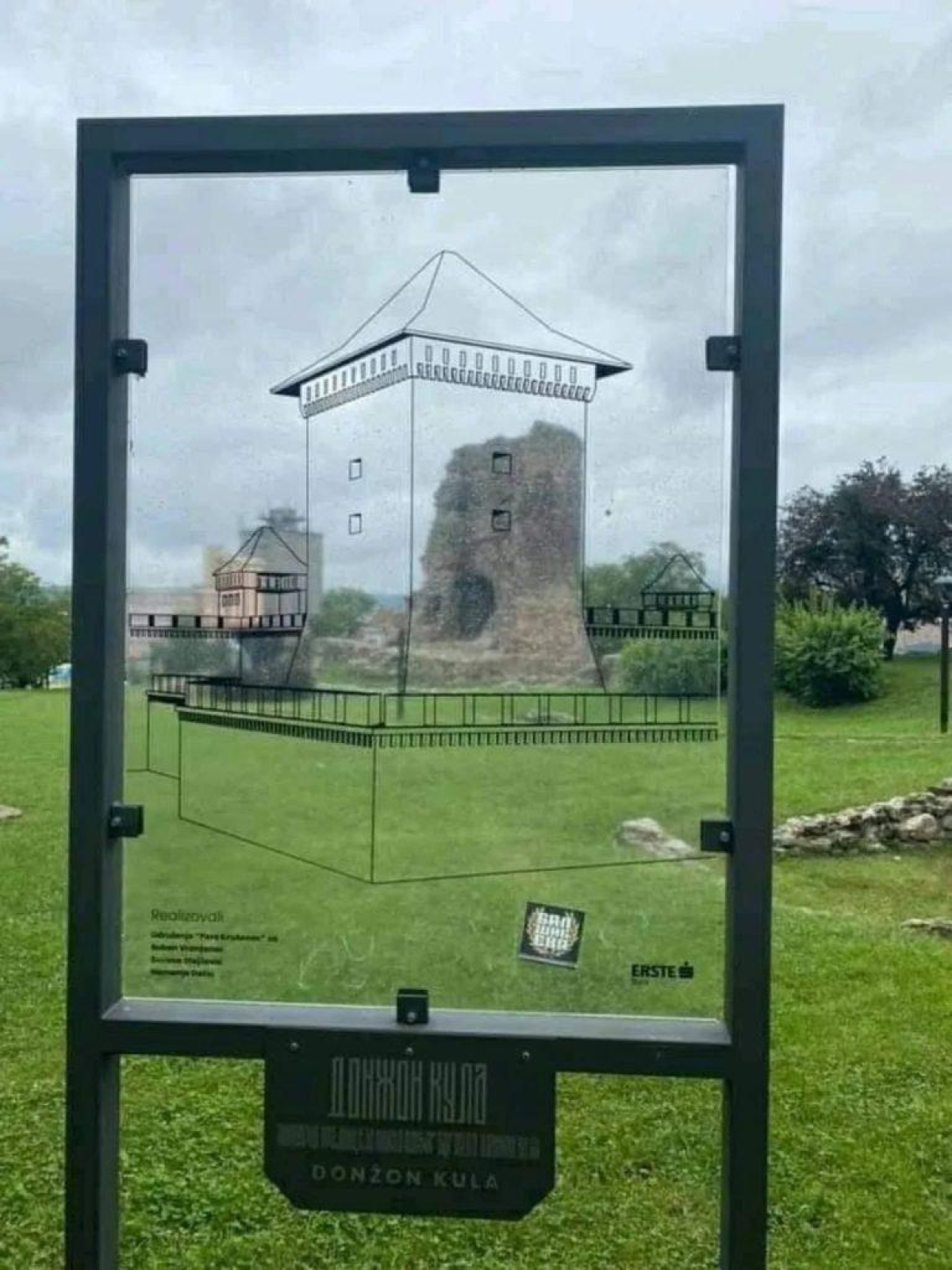
At Kruševac Fortress, a 14th-century fortified complex in central Serbia, visitors are met with a breathtakingly simple piece of analogue AR: a sheet of clear Perspex with a line drawing of the castle as it originally stood, positioned so that when you look through it, the drawing perfectly aligns with the current ruins. The display was produced by a local cultural association and supported by Erste Bank.
In a world where every attraction is trying to develop clunky, expensive AR apps that require a 5G signal and a full battery, this is a breath of fresh air and completely accessible for every visitor, as far as I can tell. A clever bit of IRL engineering and a clear line of sight can go a long way offline, and indeed, online.
That's it for this week's Creative Corner!
If you’ve seen something that’s caught your eye, or if you’ve been working on something you’re particularly proud of, please do get in touch via emily.barnes@fanclubpr.com. I’d love to hear about it.
If you enjoyed this article, you can subscribe for free to our weekly email alert and receive a regular curation of the best creative campaigns by creatives themselves.
Published on: