



Hope&Glory highlights the work that matters this Neurodiversity Celebration Week
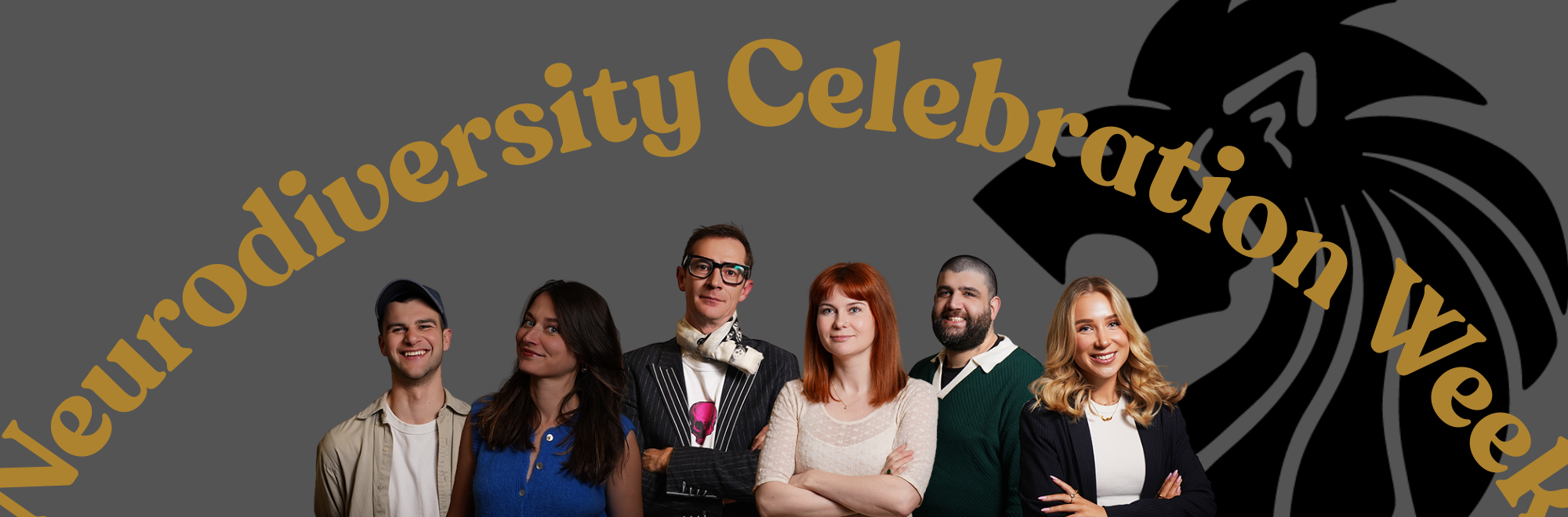
To mark Neurodiversity Celebration Week (16-20 March 2026), members of the Hope&Glory Neurodivergent Team Impact Group shares its favourite topical campaigns.
Firstly, what we found remarkable researching this piece is not how many there are, but how few campaigns have set out to address the topic. The team had to go back well over a decade to find a representative sample of work that taps into the subject. Perhaps it’s a space that more brands should start to grapple with, because visibility supports understanding.
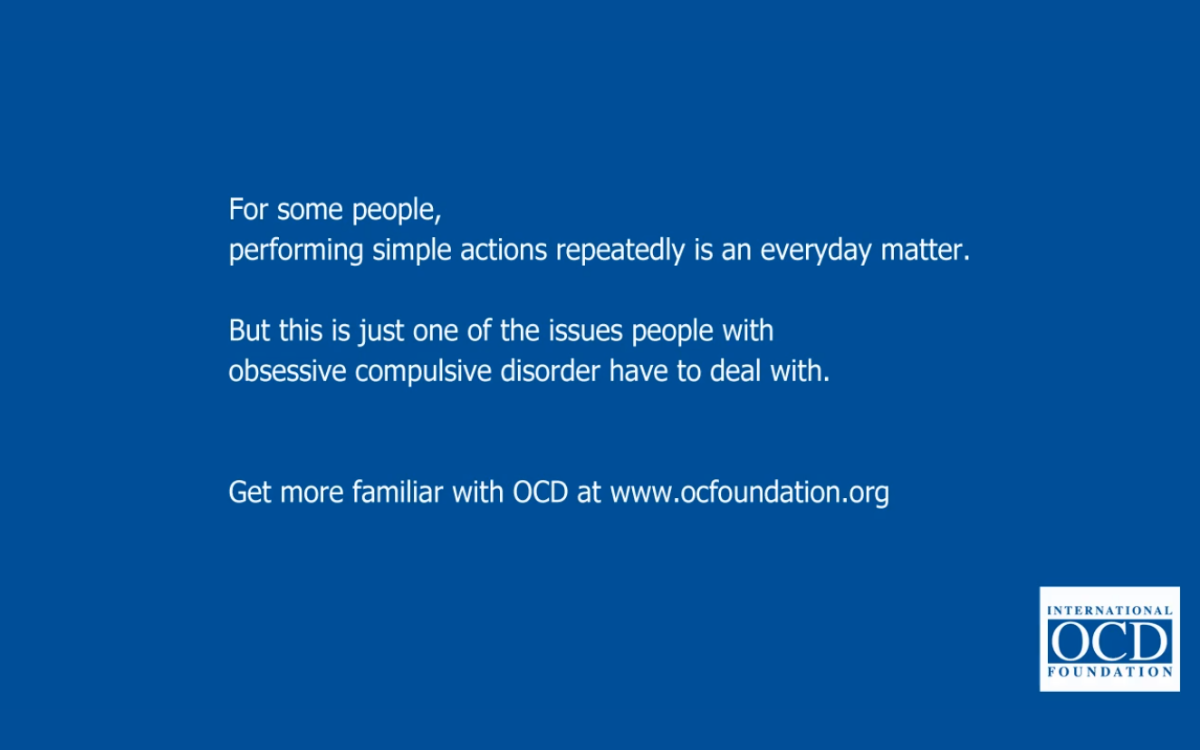
OCD Foundation (2011)
Obsessive Compulsive Disorder (OCD) is often driven by uncontrollable thoughts that are difficult for others to comprehend. To bridge this gap, the OCD Foundation launched a one-second advert packed with overwhelming visual information. To process the content, viewers had to replay it multiple times, mimicking the compulsive urge to revisit intrusive thoughts. As clever as it was, however, it had a limitation: real life doesn’t have a pause button. Though the ad illustrates the cycle of repetition, viewers can simply stop the video, a luxury those living with OCD don’t have.
By George Costi
Tommy Hilfiger Adaptive Collection (2016 onwards)
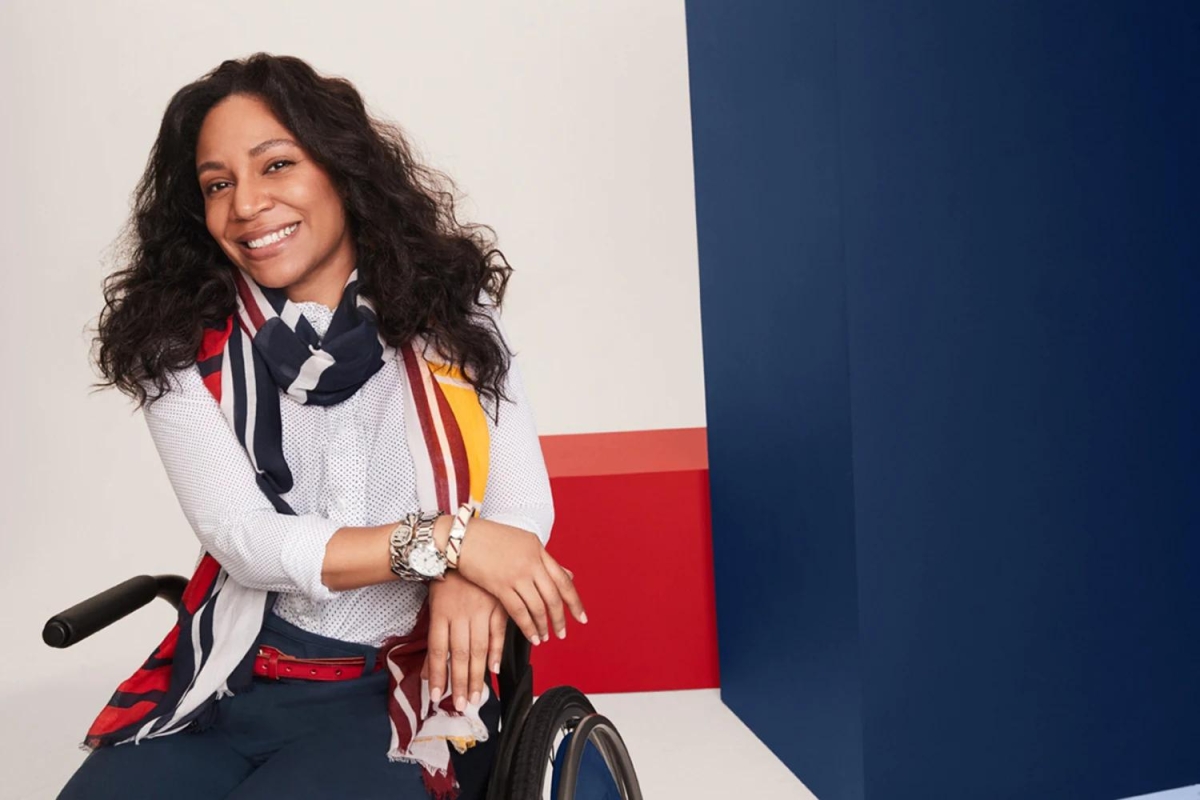
In 2017, Tommy Hilfiger launched its first adult ‘Adaptive Collection’ (following a kids’ launch in 2016), becoming one of the earliest major brands to design clothing specifically with neurodivergent people in mind.
The line has since expanded into more than a dozen collections for both adults and children over the past decade, and includes sensory wear, as well as better-fitting clothes for those with prosthetics. The brand’s early investment in adaptive fashion stands out as a rare example of a global brand prioritising accessibility and representation before industry-wide pressure made it commonplace.
In more recent times, Asda created a campaign around its range of adaptive clothing for adults with specific medical needs and over time, other brands have recognised the importance of accommodating the needs of their customers. Kudos to Tommy Hilfiger for getting the whole thing on the agenda ten years ago.
By Alice Donnelly
Microsoft autism recruitment campaign (2018 onwards)
We’re going all the way back to 2018, when Microsoft unveiled the 80% success rate of its (at that point) three-year-long campaign to recruit more autistic people. It went deep into how the business structured people’s roles and working environments; it wasn’t just CSR fluff and 'purposewashing'.
A business willing to say that neurodivergent people might not just be equal to their neurotypical peers and that they might be better at certain business-critical roles was a big step for awareness and recognition, and arguably did much to raise awareness of what neurodivergent people bring to the workplace, where they are given roles that let them thrive.
Other big names have since followed this initiative, with JPMorgan Chase, Ernst & Young, Ford, Dell and IBM also making an effort to create neuroinclusive workspaces to the benefit of us all.
by James Gordon-MacIntosh
Made By Dyslexia x LinkedIn (2022)
Okay, so this is strictly speaking a charity campaign, but it so heavily revolved around corporate partnership and involvement that we felt it was deserving.
In 2022, Made By Dyslexia partnered with LinkedIn to make “Dyslexic Thinking” a recognised “skill” on the platform – as valuable as commercial acumen or social media skills.
While it probably did more to engage the dyslexic community than create lasting change, it did provoke a network-wide conversation about the importance of human ingenuity and the ability dyslexics tend to have to think originally.
by James Gordon-MacIntosh
Bruno the Brake Car in Thomas and Friends (2022)
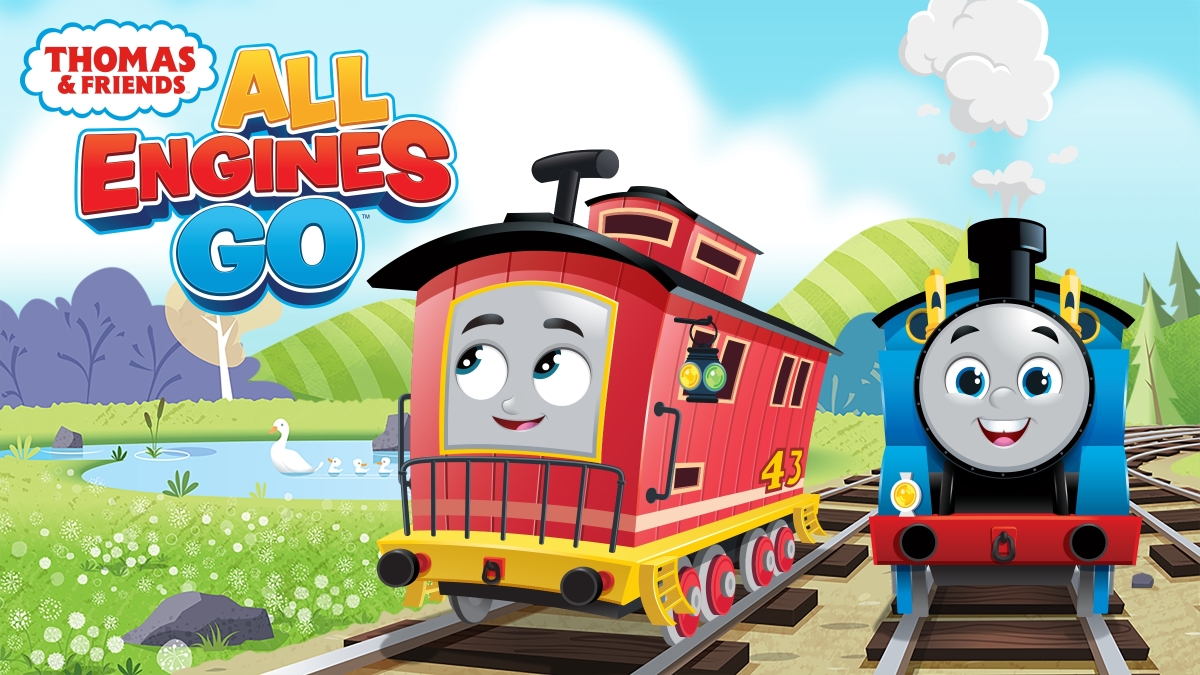
Mattel introduced its first autistic character in the 'Thomas & Friends: All Engines Go'. Bruno the Brake Car, voiced by nine-year-old actor Elliott Garcia, who is autistic.
The character was funny, smart and relaxed., but at the same time, he gets overwhelmed and worried and uses comedy to get past these situations. He particularly loves schedules and timetables and knows where all the tracks are on Sodor.
Brilliant to see a three-dimensional representation of neurodivergence – with its strengths and challenges combined. Mattel continued this approach with Barbie, introducing the first autistic Barbie doll in January this year, which leads nicely onto our next campaign.
By Amy Jones
Autistic Barbie (2025)
The latest in the collection of representation dolls from Mattel, enter: Autism Barbie. The diverse dolls sell well and get traction, helping revive, what was, a brand in decline.
In general, a positive thing for them and for the people they represent. But this one, a difference that is almost entirely invisible, is perhaps not the right subject for Babs. Autism has no look, so creating a (static, silent) doll as a visual representation felt, to some of us with first-hand, severe Autism experience, misguided.
Yes, they did work with experts; this doll does represent some people’s experience. But the reality is that specialist schools and special educational needs and disabilities (SEND) provision are dangerously underfunded. This kind of “awareness” leads to ill-informed people in power thinking a few pairs of ear defenders, a comfy uniform and a “quiet hour” will do the trick, putting diminishing funding in further danger.
It certainly got people talking. I wasn’t a fan.
By Amy Jones
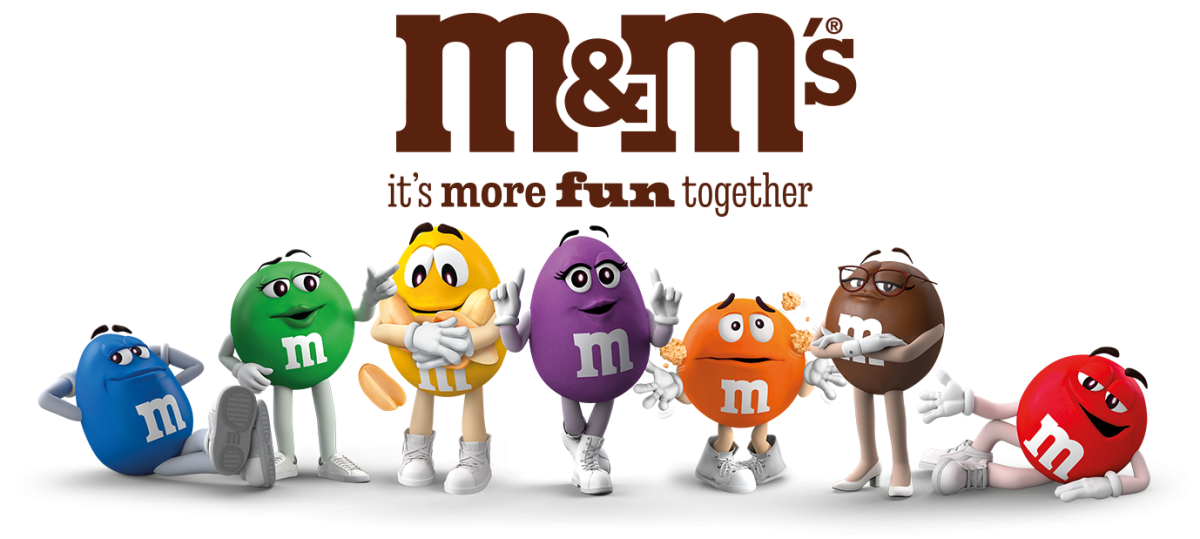
M&M’s FUNd Initiative (2022)
The M&M's FUNd, launched by Mars, aimed to provide resources, mentorship, and financial support in the arts, championing diversity and inclusion.
The UK launch featured research on cultural stereotypes and the lack of diversity in cinema. These findings highlighted a damning industry reliance on tropes and revealed that neurodivergent groups remain underrepresented in roles portraying everyday life.
While the research got headlines, there hasn’t been a great deal of meaningful impact in the UK. The brand has since followed up with the M&M’s Short Film Festival, an initiative to help filmmakers create their own short film focusing on a sense of belonging, showing there is more substance behind the campaign beyond its launch … maybe making an ongoing commitment.
By Ross Brown
International OCD Foundation “Escape The Loop” (2023)
Predominantly used as a bit of fun, the International OCD Foundation realised that GIFs were a bit like the repetitive behaviours often found in those with OCD.
Concerned that young people were dismissing the early signs of OCD as mere personality quirks, the IOCDF wanted to help teens understand the seriousness of the condition and show them what help was available.
So they turned GIPHY into their own free media channel, launching a series of GIFs depicting some of the most common OCD traits, from repeating actions to obsessive counting.
While brilliant, the bite-sized GIFs couldn’t address every common OCD behaviour (for example, washing one’s hands for an extended period of time), so maybe they’ll make really, really long, long-form videos next?
By George Costi
Tesco Sensory Support Box (2024)
In 2024, Tesco Mobile launched Sensory Support Boxes in 50 locations before expanding to 500 stores nationwide. These kits provide noise-cancelling headphones, sunglasses, fidget toys, and emotion cards to help neurodivergent shoppers manage overstimulating environments.
The initiative was launched after focus groups with neurodivergent customers, which revealed that some find retail spaces “challenging” or avoid them entirely. Along with training for staff to help them support neurodiverse shoppers, this was a strong evolution of their “quiet hours”.
While the initiative might have been more effective if rolled out store-wide rather than restricted to phone concessions. That aside, bravo Tesco.
By Ross Brown
Reckitt, Vanish 'Me, My Autism and I'
This is as good as it gets in my opinion, and is a guaranteed ugly cry every time.
Vanish, probably in brainstorm 400 about “what clothes mean to people,” landed on the importance of fabric to many in the autism community, both as familiar objects of self-regulation and because of sensory sensitivity.
The ad, which casts an autistic teen and her family, highlights the critical underdiagnosis of girls, but also captures the frustration and love of being a parent or sibling to someone with autism. It delightfully shows ‘Ash’ as an excitable, sociable, and intellectually outstanding teen as well as overstimulated, abrupt and hyper-sensitive to slights – we’re not usually treated to three dimensions.
I just wish she’d been portrayed as an English whizz not a Maths one, a stereotype that’s a blocker to more girls getting diagnosed and one that’s taking decades to debunk.
By Flora Laven Morris
ASDA’s “Job for Tom” (2025)
In December 2025, Waitrose ended Tom Boyd’s long-term work experience placement after requesting paid work. Tom has autism, meaning he requires the help of a support worker – but had been successfully stacking shelves in the store, clocking 600 unpaid hours, for four years.
Once upon a time, this story may have been featured in the local newspaper, Tom in his Waitrose apron and a performative sad face. In 2025, the online traction gave the perfect opportunity for a competitor to step in. Tom’s local ASDA offered a paid role starting immediately, causing Waitrose bosses to backtrack and make the same offer.
On the surface, a case of competitor supermarket one-upmanship, but the story gave Tom’s mum the chance to meet with Government ministers to discuss workplace opportunities for those with additional needs, sparked a debate into helping people into paid work and shone a light on those businesses doing it well.
By Amy Jones
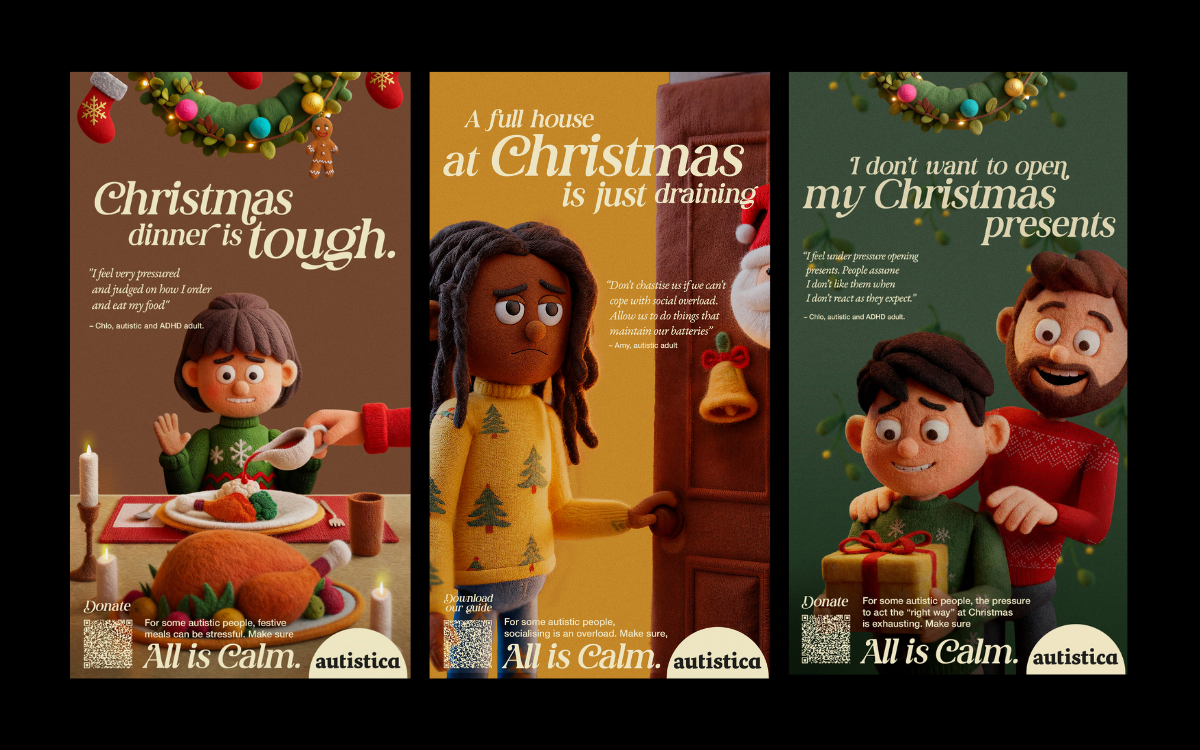
Autistica, All is Calm (2025)
Again, it’s from a charity, but we’ll allow it out of a pure lack of other options. A lovely, understated counterpoint to the avalanche of maximalist Christmas advertising.
The campaign highlighted quotes from those with autism and ADHD about how they feel about the festive season: for example “I feel under pressure opening presents. People assume I don’t like them when I don’t react as they expect”.
Where most festive campaigns are saturated with sentimentality, this one speaks to the core of a lot of families’ experiences – whether that person having a lie down upstairs is diagnosed or not.
Christmas can be a sensory assault course for autistic and ADHD people, and the dissonance between “the most wonderful time of the year” and the reality for many in these communities is genuinely underexplored.
By Flora Laven Morris
Tommee Tippee Cup (2016)
In 2016, a desperate dad launched an appeal on X (then Twitter) for Tommee Tippee to find a replacement for a 1990s design, two-handle sippy cup after it was discontinued, as his son with autism didn’t like to drink from anything else. His tweet was reposted over 12,000 times (that was viral in 2016).
The brand searched its factories for all the product they had left and gave the father and son a lifetime supply of the sippy cup. This was a wonderful example of a brand going above and beyond to help a consumer in need, investing time and money into a situation that could have been easily ignored, but made a world of difference to one family.
By Alice Donnelly
Our contributors
Alice Donnelly, account manager, Hope&Glory
Alice is an account manager at Hope&Glory, having started with the agency as an intern. Her accounts have included creative campaigns for Uber (their “Go Anywhere” campaigns and “Hosts …” platforms), Etsy, Lick brand partnerships and work across Edrington UK’s spirits portfolio.
Amy Jones, board creative director, Hope&Glory
Amy is a creative director and has worked on earned-media creative for dozens of brands, including Merlin Group where she cut her teeth moving waxworks to make news for Madame Tussauds. Since then, she has led award-winning work with Trainline, Great Ormond Street Hospital Charity, Argos, IKEA, Sainsbury’s and a host of others.
Flora Laven Morris, board strategy director, Hope&Glory
Flora is Board Strategy Director at Hope&Glory having started with the agency as an intern longer ago than she cares to remember. She is part of the strategy leadership team delivering best-in-class thinking for clients ranging from Sainsbury’s and IKEA to Skyscanner and Pokémon.
George Costi, associate director, Hope&Glory
George is an associate director with experience working with more-or-less every gaming studio in history including EA, Activision, SEGA, Bethesda and a host of others. He is also a passionate sports consultant having worked in the past with McDonalds, Pepsi and The Football Association.
James Gordon-MacIntosh, founder and ECD, Hope&Glory
James has knocked about the PR industry for the best part of the last 30 years. In 2011 he founded Hope&Glory with Jo Carr. He has won a number of awards for work across Virgin Media O2, Meantime Brewing, HTC, Ikea, Uber, Trainline and an assortment of others. He still doesn’t think it’s a proper job.
Ross Brown, creative, Hope&Glory
Ross is a Creative at Hope&Glory. He cut his teeth working on brand campaigns with agencies including Mischief and Tin Man. He joined Hope&Glory and has since delivered award-winning work with Uber. He has been the creative force behind campaigns with Campari Group, Toyota, Uber and Autotrader amongst others.
If you enjoyed this article, you can subscribe for free to our weekly email alert and receive a regular curation of the best creative campaigns by creatives themselves.
Published on: