

Influencer marketing is a mixed bag, but who’s getting it right?
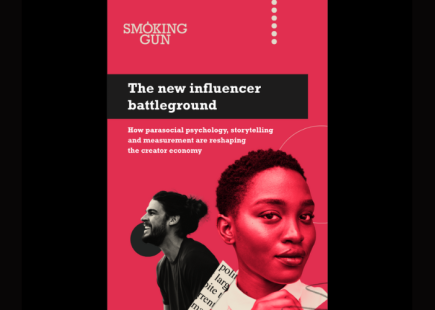
As UK spending in the creator economy surpasses £1bn, Smoking Gun’s ‘The New Influencer Battleground’, explores how ‘parasocial psychology and narrative-driven content’ are redefining influencer marketing.
The report reveals that 59% of brand marketers still struggle to prove influencer ROI, highlighting a growing need for frameworks that balance performance metrics with authentic storytelling.
Developed with behavioural psychologist Dr Eleanor Bryant, the report introduces a four-pillar model, citing ‘meaning, credibility, connection, and action’ to guide brands in creating campaigns that resonate emotionally while delivering measurable outcomes.
It argues that influencer marketing now sits at the intersection of culture, psychology, and commerce, requiring brands to move beyond transactional partnerships toward trust-based relationships.
Case studies included from campaigns for PZ Cussons’ Original Source and Philips demonstrate how applying this model can drive both engagement and conversion. The report also features insights from industry leaders, including Scott Guthrie of The Influencer Marketing Trade Body, and talent heads at M&C Saatchi, signalling a shift toward long-term creator collaborations and data-driven storytelling strategies.
Our take
It sort of crept up on us, but has now become a mainstay, but influencer marketing, as this report shows, has relatively few rules or consistent results.
Smoking Gun did a good job here, showing that the medium thrives when it prioritises authenticity, co-creation, and cultural relevance. The best campaigns go beyond vanity metrics and embrace influencers as creative partners rather than mere amplifiers.
We’ve covered a few that we reckon nail this. Pepsi MAX ‘Bring Out The Flavour’ saw Pepsi MAX launch its Pepsi Pioneers programme, inviting influencers to co-create content that reflects their personalities. This approach put the creative control to influencers, resulting in a campaign that felt organic and frankly in line with the whole ethos of creator culture.
McDonald’s ‘Draw How You Feel Meal’ was another cracker. Building on its Cannes-winning mental health initiative, McDonald’s introduced blank Happy Meal boxes and crayons, encouraging children to express emotions through art. Supported by influencers and BBC Children in Need, the campaign encouraged creativity while providing social impact. It was also pretty poignant in a quiet way.
Ann Summers also made an impactful and wry influencer effort with ‘Remove Fear from the Smear’, tackling the cervical screening stigma by teasing a “new sex toy” that turned out to be a speculum. Influencers and celebrity advocates amplified the message across social channels, sparking conversation and driving awareness for women’s health.
Smoking Gun’s report does a great job in analysing why these campaigns get it right, arguing that engagement and trust matter more than follower counts.
As ever, we welcome creative professionals' views on all this, so do email tom@creativemoment.co with your thoughts.
If you enjoyed this article, you can subscribe for free to our weekly email alert and receive a regular curation of the best creative campaigns by creatives themselves.
Published on: