


Is Lego's AI and tech expansion a brick too far?

Lego has unsettled many with the release of its Smart Play System. But will its new technology-enhanced bricks build on its legacy or become a brand stumbling block?
In an age of unprecedented change, the delightfully old-school appeal of Lego is somehow enhanced.
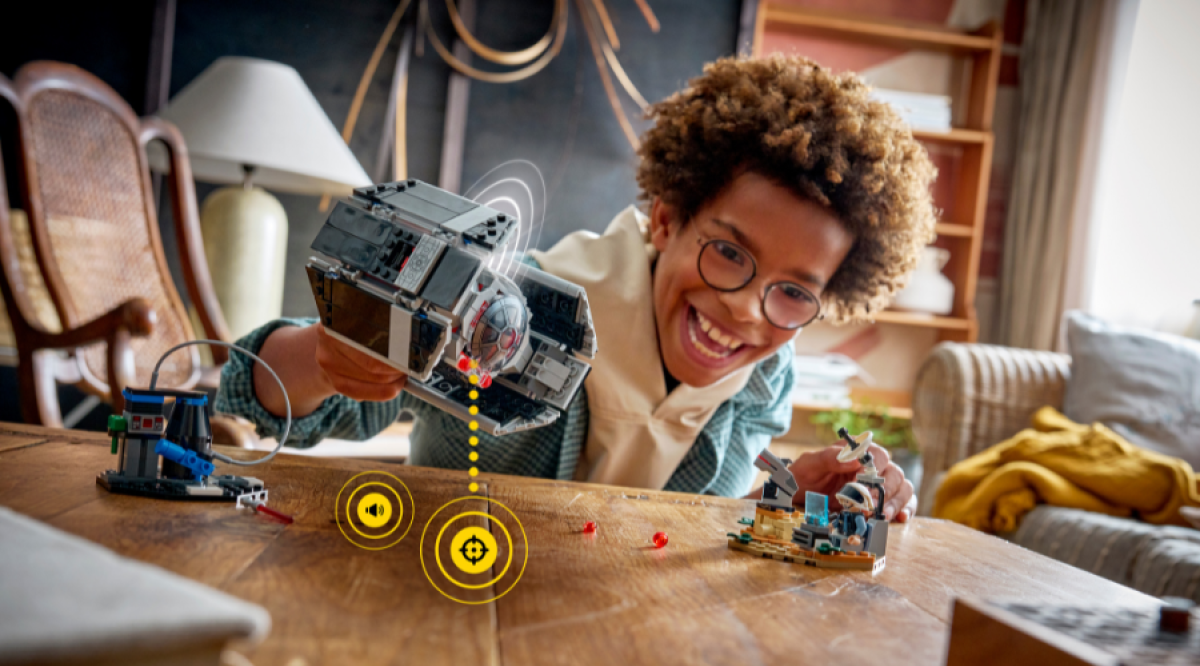
Lego, a brand that has always been focused on learning, has launched the Lego SMART Brick, Tile and Minifigures, connected through the SMART Play System: Lego Education's first move into the AI space, designed to introduce children to computer science and artificial intelligence concepts in a hands-on, collaborative way.
The products, which feature embedded technology, are connected through the SMART Play System to create "new and immersive ways to build and tell stories”.
The blurb stresses that "intelligence isn’t bolted on or distracting from the core experience; it’s embedded into Lego itself."
Creative reaction
The move was met with cynicism from some quarters, given Lego's purist approach to 'play'. Indeed, the BBC reported that 'play experts' have expressed unease about Lego, a traditionally analogue product, entering an increasingly digital world.
Dan Blackledge, a culture-led strategist, said: "I'm torn. Is this innovation for the sake of innovation? Does this enhance the experience or detract from the simple beauty of the product?"
Fred Denham Webb, creative director of Father, was less cautious and caveated his reaction: "There is a really low-fi output from the bricks, which I think is still in keeping with the Lego aesthetic. As a parent, I think keeping kids away from screens is still a win."
 Images courtesy of Lego Press Office
Other creatives were similarly optimistic.
James Ramsden, executive creative director at Coley Porter Bell, said: "It's a great idea that stays true to what Lego is as a brand. Lego has always been a 'system in play', the idea that a small number of physical bricks can unlock almost limitless creative outcomes. The SMART Play System feels less like a break from that legacy and more like a natural evolution of it.
“The intelligence isn’t bolted on or distracting from the core experience; it’s embedded into Lego itself, so the child still develops all the building, imaginative and storytelling skills that Lego has always provided. I loved creating with Lego as a child and would have hugely enjoyed the extended play offered by this system!"
"What’s also interesting is that it very much mirrors the world Gen Alpha is growing up in. They’re surrounded by materials that adapt and respond, so for them, this kind of behaviour will probably feel intuitive. These SMART items don’t stifle imagination; they amplify it, creating richer, more immersive worlds while staying true to Lego’s fundamental promise of learning through play. And whilst there have been some rumblings that the system risks what makes Lego so special, Lego has said that this isn’t replacing the classic brick, it’s complementing it. In that sense, it feels like a more authentic continuation of the brand’s legacy rather than a purely digital extension."
Roberto Verona, creative director, Saffron Brand Consultants, added: "What makes Lego timeless is the simplicity at the core of its idea, allowing it to flex and adapt to any play method, suitable for kids and adults who both play and collect. With Smart Bricks, Lego adds a new layer of interaction to something already loved, and meets us where we are in 2026: between the physical and digital worlds."
"From a brand experience perspective, this is smart. Lego’s showing us how a legacy brand can stay true to itself while expanding the brand experience in a way that makes sense for today. And it’s a good reminder that Lego’s brand experience isn’t “just building worlds", it’s bringing those worlds to life along with the bricks themselves."
 Image courtesy of Lego Press Office
Our take
Lego’s new Smart System feels like a bit of a brand drift to us: a little too polished, and perhaps a grasp to stay relevant in a world already a little too keen to adopt connectivity.
On one hand, it’s a clever evolution that veers just shy of true tech distraction. The sensors and physical interactivity we're cool with, but the app integration and programmable elements are a slight shift away from the purism of Lego we've always admired.
Lego could suffer a brand hit long-term if it shifts too far from its core principles. One of these, 'learning', is arguably still embodied in the product, but the role of 'imagination' has been somewhat lessened here, in our opinion.
The world is already becoming too complex. Lego might do well to keep it simple as a backlash to this, rather than face a backlash for veering too far into embracing the chaos.
If you enjoyed this article, you can subscribe for free to our weekly email alert and receive a regular curation of the best creative campaigns by creatives themselves.
Published on: