

Uncommon challenges students to unite Britain in creative programme with Ravensbourne University
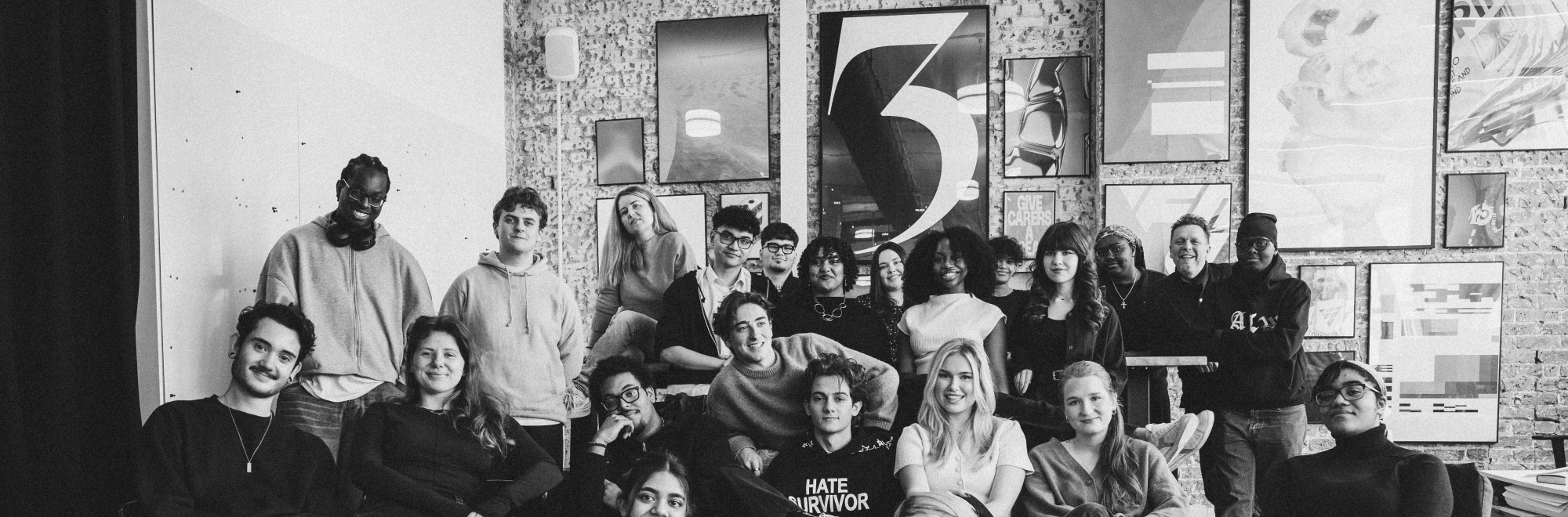
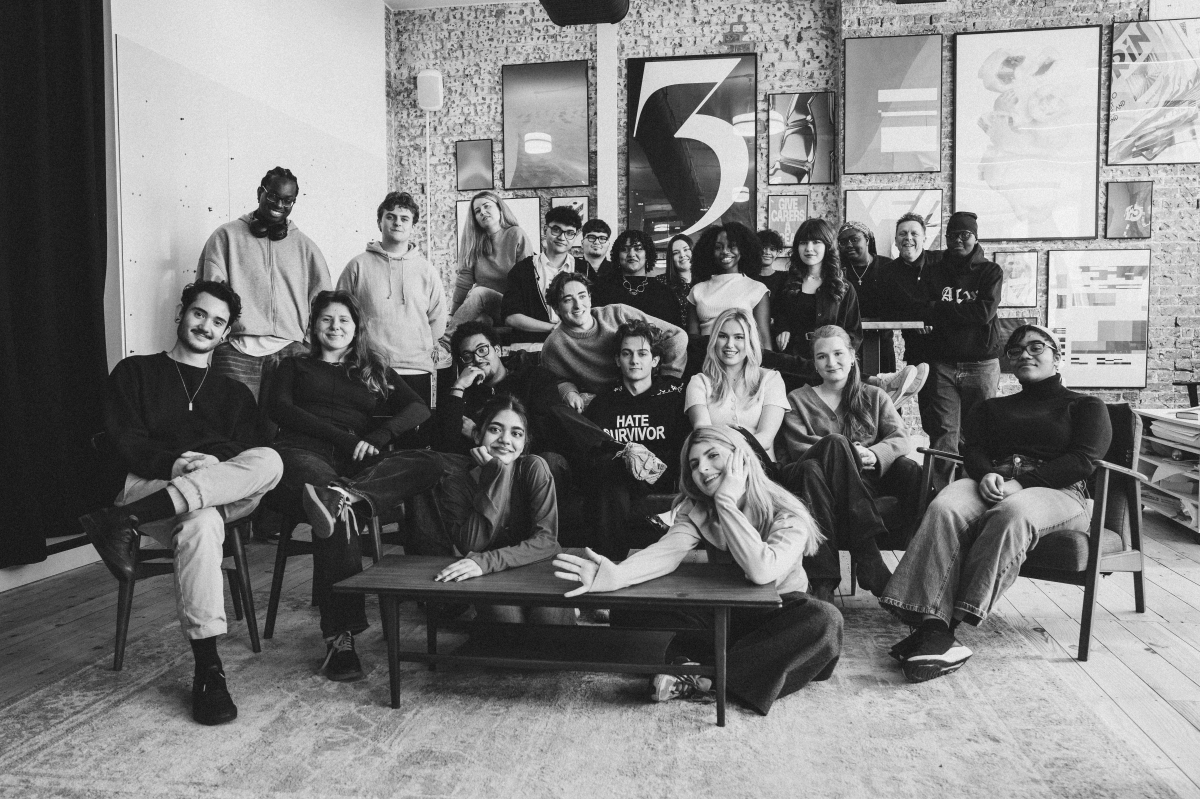
Uncommon Creative Studio and Ravensbourne University London have joined forces to launch a creative incubator for 24 students considering a career in the industry.
The four-week residency, which commenced on 16th March, brings together a cohort of emerging creatives from across disciplines to collaborate inside a co-created, generative pop-up studio environment hosted at Uncommon.
During the programme, now in its second year, artists, practitioners, writers and members of the Uncommon team will run workshops and provoke new ways of thinking via this year’s creative challenge - focusing on the theme of ‘creating unity in an increasingly divided nation’ - with ideas then presented on 23rd April.
The residency will be documented with a short film, created by students from Ravensbourne University’s Digital Film Production course. It will capture the collaborative process, ideas and outcomes generated within the studio environment.
Nils Leonard, co-founder of Uncommon Creative Studio, says: “The creative industry depends on fresh thinking, but the routes into it are still far too narrow. We built this programme to open the doors of our studio and invite the next generation inside — not just to observe, but to challenge us and create with us. At a time when the country can feel increasingly divided, asking young creatives to imagine how we might bring people together feels like the most important brief we could give.”
Derek Yates, associate professor/head of Creative Lab at Ravensbourne University, adds: "The Uncommon residency provides an excellent opportunity for us to really bring our learning with industry mission to life. By working collaboratively with one of the world's most forward-thinking creative studios we hope to really examine a more symbiotic relationship between education and the professional context.'
The residency gives students firsthand experience of working in a creative agency, with structured programmes proven to increase the chances of securing full-time employment by up to 70%. It comes as only 57% of creative employers have recruited under 25s in recent years, signalling limited access points for young talent.
If you enjoyed this article, you can subscribe for free to our weekly email alert and receive a regular curation of the best creative campaigns by creatives themselves.
Published on: