


We Are Dumpling is not an agency...

We Are Dumpling is looking to change things.
Naresh Subhash cut his teeth as an advertising creative director, while his partner Bartholomew Krysiak comes from the world of Unilever brand marketing – a pairing that means they’ve spent years watching great strategies get lost in translation between decks, stakeholders and consumers.
Together, they reached a shared frustration with the traditional agency model, citing bloated structures, performative “culture” work and presentations that say a lot but do very little for the brand's footing the bill.
That frustration became the spark for We Are Dumpling, a queer‑founded brand rejuvenation studio. We caught up with long-time friend of the mag, Naresh.
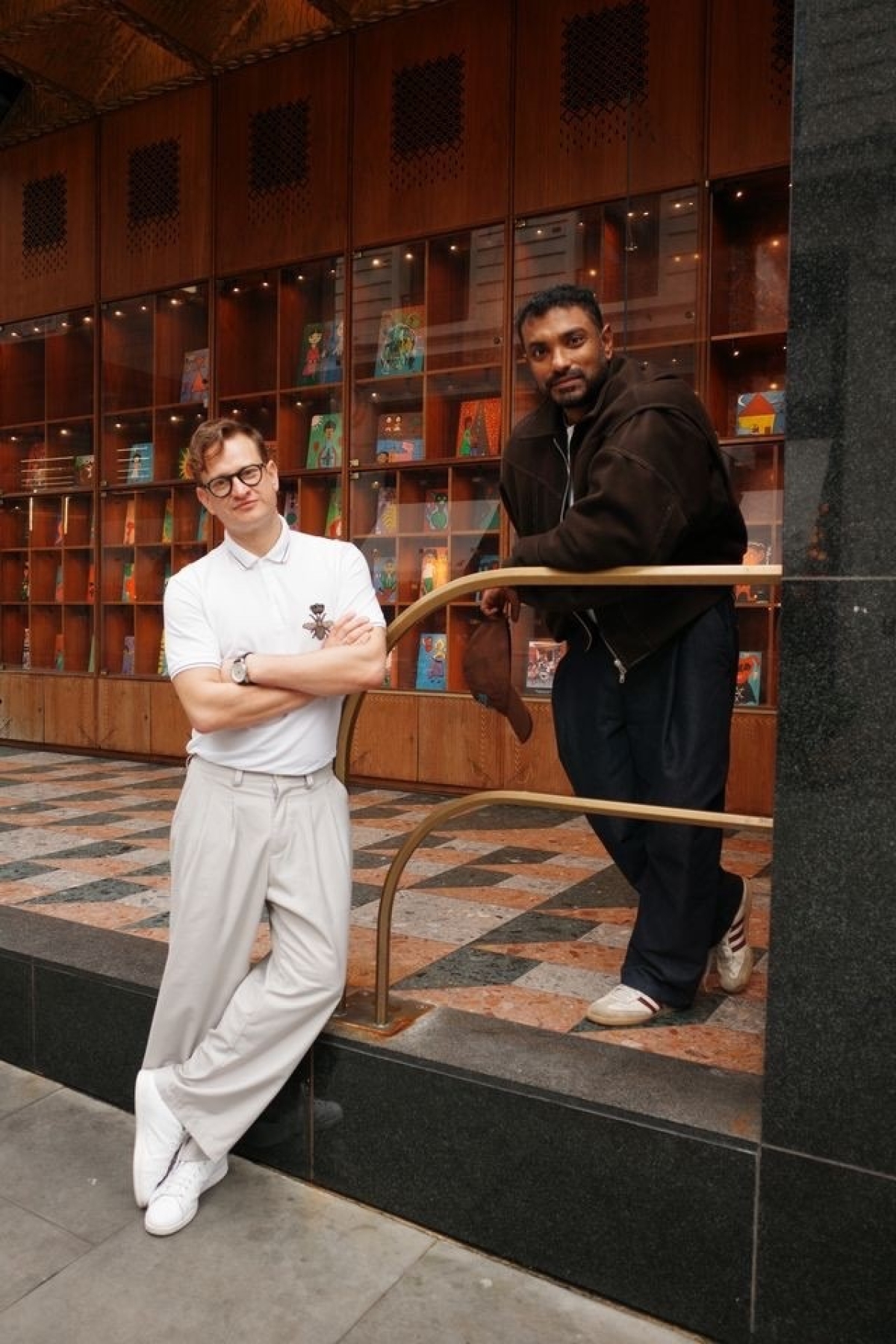
Creative Moment (CM): What inspired the new business, and what were you keen to do differently?
Naresh Subhash (NS): First of all, it's not an agency; we are a studio/consultancy. We believe that we are in a time when the traditional agency model has plateaued.
We are also seeing a trend of brands actually cutting budgets and relying on leaner teams. Which means the massive budgets are either for multi-market or national campaigns, with agencies that can handle that work.
Dumpling is a brand rejuvenation studio. We exist to breathe new life and hope into the brands we work with.
We identified a need for a nimble consultancy that blends thinking anchored in consumer insights, creative thinking and commercial rigour. We are born out of the knowledge that the growing brands and stagnant brands don’t always have the budgets to meet the competitive demands of their respective categories—for some, it's a case of innovate or die, and for others, they just don’t have access to the minds that you find in bigger agencies.
So, like a dumpling: no two dumplings are made the same - brands need handmade ideas and approaches that actually deliver measurable impact and results.
Founded by an advertising creative director and an ex-Unilever marketing director, gives us a unique perspective in helping brands from both stakeholder and consumer perspectives.
A recent study by the Harvard Business Review showed that more than 63% of strategies fail due to poor implementation, stemming from a lack of understanding. Hence, we don’t believe in presentations that say a lot and nothing at the same time, and strive to work with our partners from the inside out.
Being a queer-founded brand, we are also keen to help some of the most exciting and growing queer businesses that account for more than 3 billion of the nation’s GDP, an unfair share of the market. Hence, working with organisations like OutBritain and Grow London Local is super important.
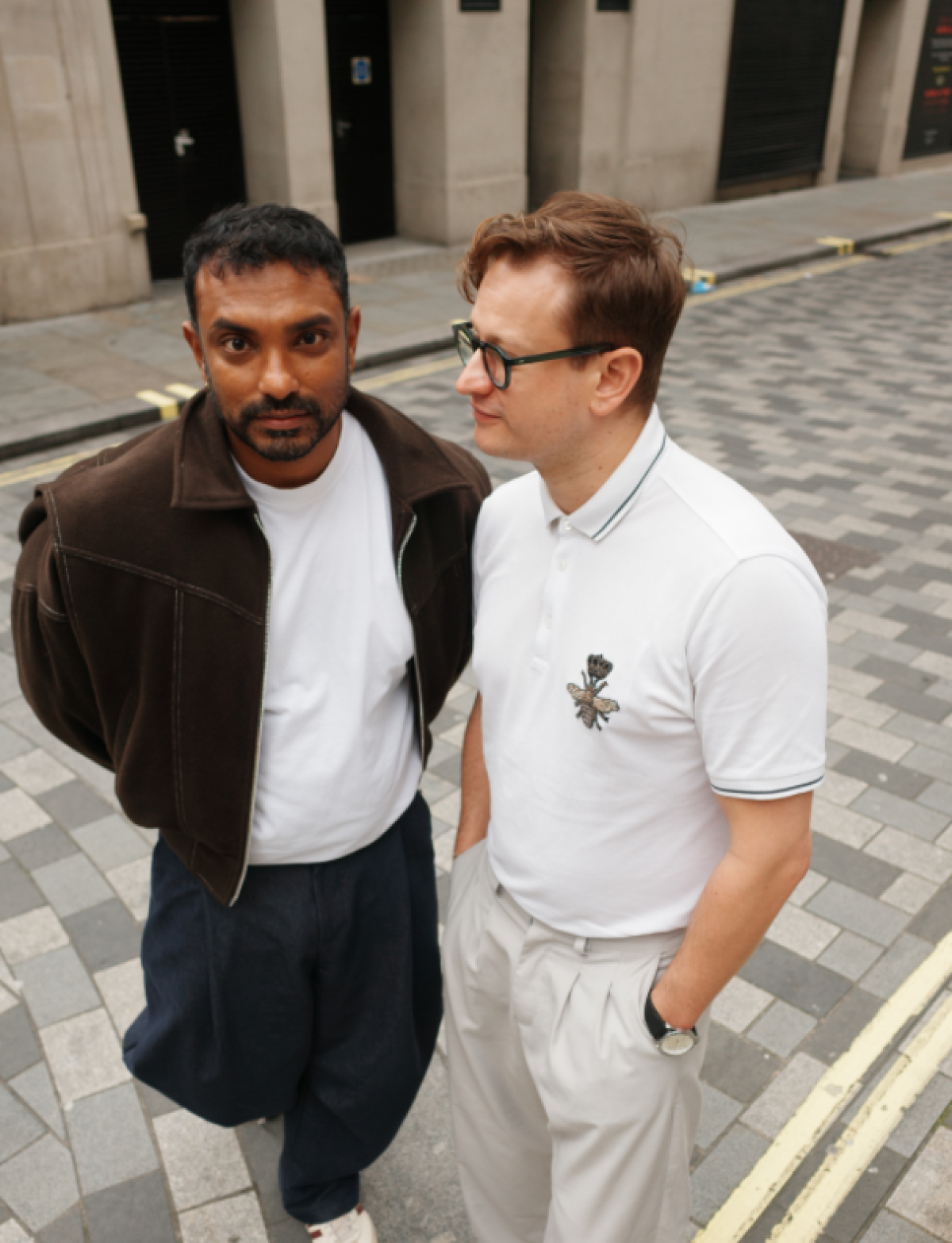
CM: As a pair, you bring with you a lot of cultural inspirations. What have you learned along the way, and what does the industry often miss out on in terms of cultural nuance?
NS: Culture has suddenly become the catch-all phrase, hasn’t it? I think as an industry, we need to do a stocktake and realise somehow, we are not reacting to and not generating the culture we live in.
Brands have suddenly become passive participants, arguably at the mercy of algorithms and consumers’ attention spans, to really have any impact in the world. We want to help change that; we think crafting truly bespoke solutions with our clients makes them a key thread within the tapestry of today. We have the opportunity to tap into a wide range of creative minds, not just here in the UK but across the globe, who are sometimes overlooked by bigger teams.
Our backgrounds in film, hairdressing, music, and social enterprises are another reason we are more than just another consultancy in this space.
Brands don’t need more advertising; they need more heart and spirit to compete in today’s climate.
This ability to connect and work with our network of talent has given us the opportunity to bring new perspectives to the conversation without the significant overhead.
For instance, our ability to speak to the world's largest charity stems from our experience working on social enterprises in Laos. Multiculturalism isn’t a bad word, but an opportunity.
As queer founders, we can also tap into the hottest trendmakers and the creatives within the community and bridge the gap between commercials and authenticity.
It is our differences that make content unique and shareable, and our (Dumpling’s) innate ability to code-switch and vary experiences.

CM: You've got a lot of side projects going on, too. How do they play into what you’re working on at We Are Dumpling?
NS: We love the hustle. Because we are small, we are malleable enough to expand and contract as and when projects come in.
Our diverse skill set allows us to work across social media content, brand strategy, and innovation with small and large businesses. This also means we get to work freelance with others, build our creator socials and partner with equally inspiring people who are on a mission to create impact in our industry too.
We are currently working on an exciting stunt for London Fashion Week. I can’t reveal with whom I’m afraid…but watch this space.
Having a seat at the table has always been important, and why shouldn't it be?
It feels as if, in the current climate, the drive for diversity in our boardrooms has plummeted; a quick scroll on LinkedIn is enough to realise that there are still not many people of colour and people of Asian origin in creative management roles.
Working with our dear friend Melissa Wong, a fantastic social-first creative director who has worked on the likes of UNICLO and Zalando, to create a movement to help elevate people of Asian descent find their place at the proverbial table.
Lastly, we are also producing yet another podcast, but without the long-winded 40 mins of posturing. In true Dumpling style, it is bite-sized and full of flavour! So have a listen to Taste the Dumpling, honest takes on Marketing, on Spotify.
CM: Which campaigns have inspired you recently?
NS: We’ve all heard the term “unhinged” when it comes to selling content to brands, and oftentimes, this doesn’t mean bonkers - it’s somehow still within the confines of the plausible. But that's not what great content is, it’s supposed to be entertaining and unexpected. We’ve been obsessed with Mugler’s ‘How to wear… ‘ series.
If you can’t explain it in words and have to share it to “make it make sense,” now, that's a sign of quality content. Unhinged, from the way it’s shot, edited and presented, this is a piece that really repositions the Mugler.
If you enjoyed this article, you can subscribe for free to our weekly email alert and receive a regular curation of the best creative campaigns by creatives themselves.
Published on: