

Alpine’s dystopian ad is the latest jab at ‘AI culture’
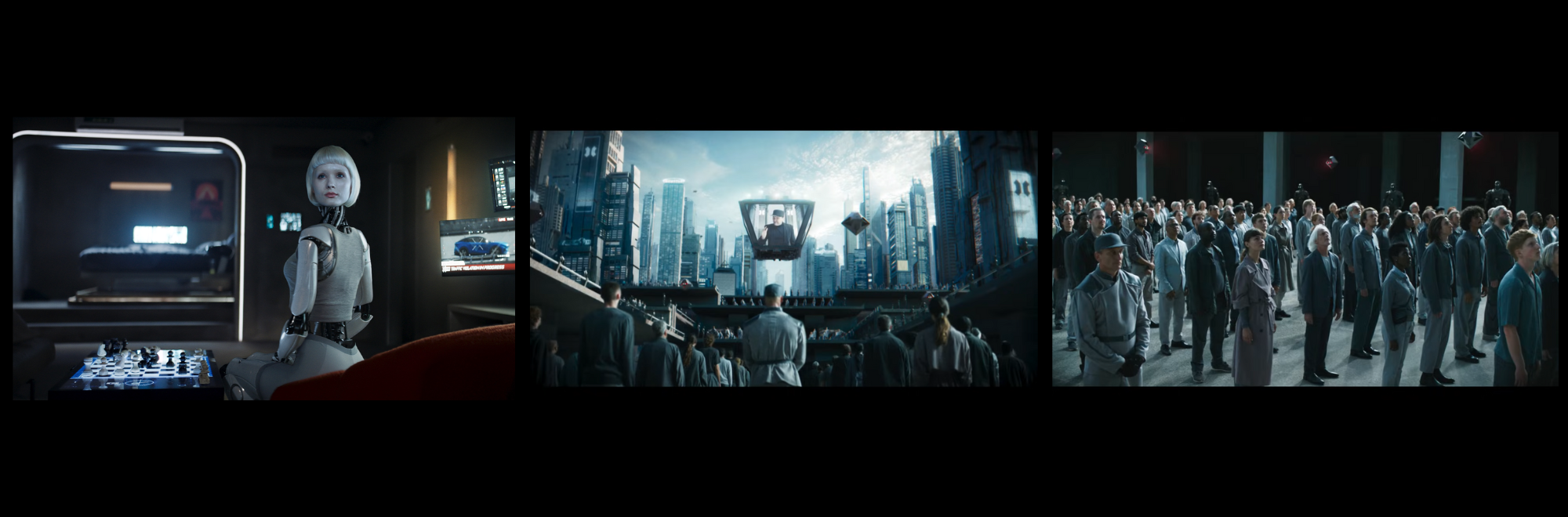
Alpine’s impressively cinematic advert for the A390 electric sports fastback paints a chilling future where autonomous vehicles dominate. But can it calm the relenting pace of change?
The ad, by Maison BETC Paris, directed by Nicolai Fuglsig (production company MJZ), depicts a time when human driving is deemed an “anomaly” to be eradicated.
Taking aim, we assume, at a certain automobile provider, the plot races through a sterile, AI-controlled world as a rebellious driver commandeers an Alpine, evading robotic enforcers in high-octane chases that celebrate manual control and exhilaration.
The ad is visually stunning, with neon-lit pursuits and tense sound design, culminating in the tagline: “Let’s not be driven by technology. Let’s drive it.”
The gist here echoes car ads from the likes of BMW and Audi that champion driving passion amid tech encroachment, but Alpine’s twist is more ‘on the nose’, flipping the script on autonomy.
An AI backlash?
Amid rising AI debates, Alpine has been decidedly bold in positioning electric innovation as a tool for human agency rather than replacement. On these very pages, we’ve seen glowing AI celebrations as well as more cynical reactions. Driving might be a less familiar focus, but the topic is certainly omnipresent.
Following what many called Coke’s “ill‑advised” previous AI outing, our review of the 2025 “AI‑powered” ‘Holidays Are Coming’ Christmas noted that, while the new film performs strongly in effectiveness testing, there’s still unease about the production model and visual feel.
We also recently covered spots from Sky Sports and Uber Eats, which people online kept insisting were AI‑generated, even though they, indeed, weren't. Awkward questions arose, of course.
Then there are the various hot takes from the industry on the subject. This piece, by The Romans' Dan Roberts, argues that AI’s real danger is not its capability, but the temptation it gives creatives to stop thinking and start replicating.
SHOOK’s Gemma Moroney, meanwhile, dissected a provocation-heavy campaign from AI company Artisan by running a meta‑experiment: she writes a critique herself, then gets AI to write a version “as Gemma,” and compares the two.
The topic will, no doubt, be equally buoyant this year, so prepare your internal algorithms accordingly!
If you enjoyed this article, you can subscribe for free to our weekly email alert and receive a regular curation of the best creative campaigns by creatives themselves.
Published on: