



Alzheimer’s campaign typifies today’s human-centered approach to illness
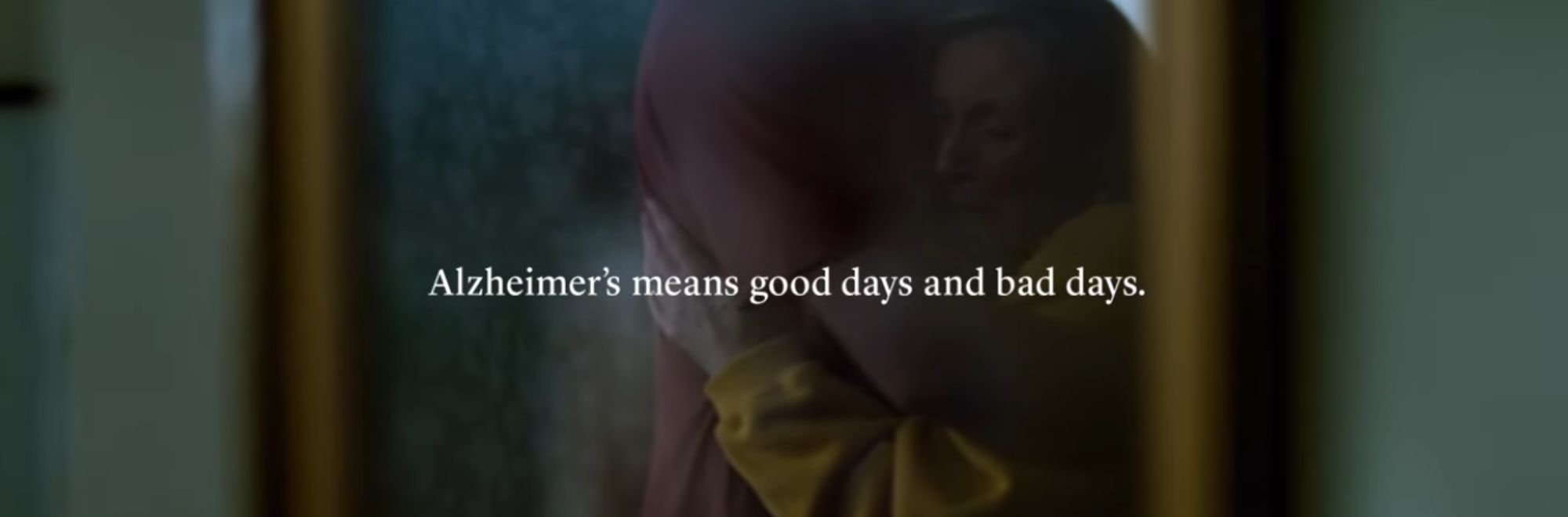
Wieden + Kennedy’s poignant campaign for Lilly is the latest in a spate of nuanced campaigns that depict patients with life-changing conditions.
In a world where cancer awareness campaigns dominate headlines and funding, Alzheimer’s disease often lingers in the shadows.
This is no small matter for Wieden + Kennedy, whose latest ad, written by Dylan Lee, for pharmaceutical giant Lilly is motivated to bring more attention, and therefore better treatment options, to the condition.
The campaign’s genesis comes from an insight that Alzheimer’s is “30 years behind cancer in awareness and focus”, as Lee shared in a LinkedIn post reflecting on his final project at the agency.
He’s bowing out on a poignant, if hopeful note, with a love story that captures the daily trials faced by couples battling the illness.
The erosion of memory shown in the ad forces viewers to confront the emotional toll of a disease that affects millions yet remains under-discussed.
Mackenzie Devine, global brand marketing leader, Snap, called the ad: “Incredibly accurate, as all the best storytelling is. I lost my grandmother to Alzheimer's, and we're coming up on her birthday. Thanks for ensuring this work focuses on the good days.”
Devine’s comment raises a compelling debate in charity and health advertising: how to inject positivity, or hope, into a devastating diagnosis?
In this case, the couple's support and love for one another, despite what’s been thrown at them, offers a life-affirming undercurrent to the scenes.
Given that Lilly is pioneering research into the condition, 'hope' is also surely warranted in this case.
But some recent ads have gone further in their depiction of illnesses, even going so far as to add humour and levity, as in the case of Apple’s recent Parkinson’s spot which managed the tough job of making the condition more approachable, while uncovering nuance in our perceptions of the disease.
Lee’s work also offers us some respite, with scenes of resilience and compassion that add emotional depth.
Agencies are, perhaps more than ever, listening to those affected by health conditions and tailoring their content sensitively and bravely. The result, as with Wielden + Kennedy’s effort, is a more human-centred approach.
If you enjoyed this article, you can subscribe for free to our weekly email alert and receive a regular curation of the best creative campaigns by creatives themselves.
Published on: