


Charity Missing People reminds true crime viewers that real people are behind the story
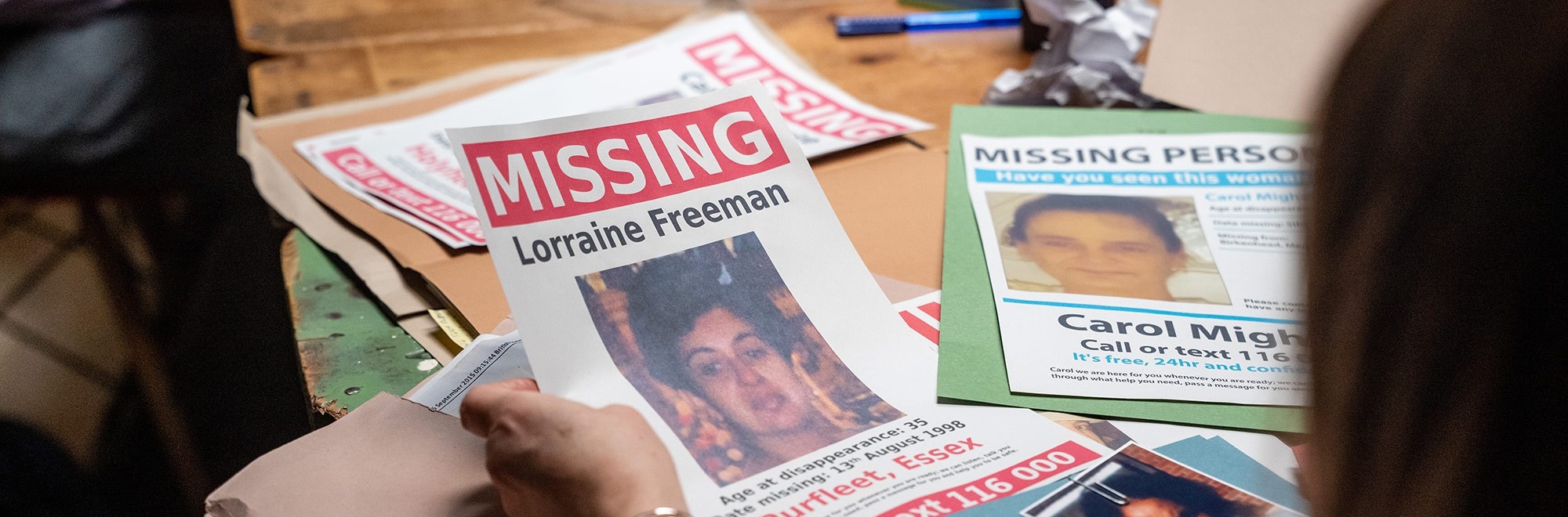
Someone is reported missing in the UK every 90 seconds, with a 50% increase in people dying while missing than recorded in 2016/17.
But while the number of people in crisis grows, the national conversation about ‘missing’ has shifted sharply — shaped in part by a booming true‑crime culture that often prioritises entertainment over empathy, along with the resulting online speculation and amateur sleuthing.
The charity Missing People has launched a landmark new addition to its media guidance, specifically aimed at content creators and true‑crime producers, alongside a powerful new short film made with BBH, alongside Sharon Horgan’s production company Merman.
Entertainment over empathy
The campaign challenges the way missing people’s stories are selected, dissected, and monetised, urging creators and audiences to remember that behind every case is a real person and a family living through the worst moment of their lives.
The move from experienced, professional journalists reporting on missing cases, to it becoming a subject matter to a far wider group of untrained true crime fans, and the resulting effect on families, has pushed Missing People to take action. The charity says this fixation on what makes “good content” has collided with social media culture, creating an environment where families face not only unimaginable uncertainty, but also mass speculation, pressure to “perform” their grief, and increasingly, AI‑generated fabrications of their loved ones. Deepfake audio or images of missing people are now being circulated as if they are real updates leading to families being re-traumatised.
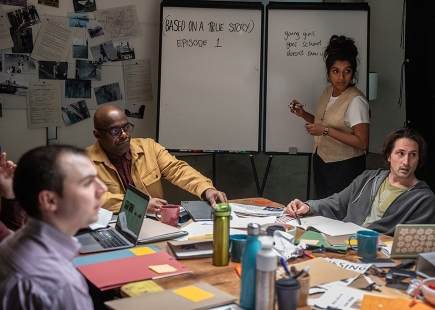
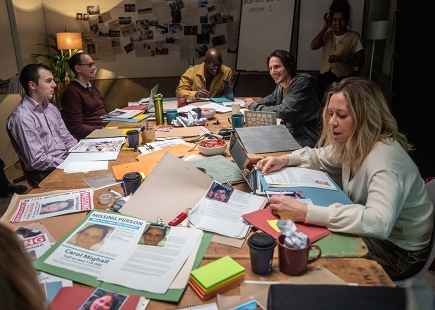
The centrepiece of the campaign is a sharp, satirical film that dives headfirst into discomfort.
Content creators who sign up to follow the new guidance, developed by the social team at Hope & Glory PR, agree to similar rules that professional journalists are already bound by, to use only verified sources, redirect potential information to the police or Missing People, avoid sensationalising ongoing cases, and never use AI tools to generate new images or audio of missing people.
Directed by Rachel Stubbings with executive producer Sharon Horgan, and set in a sterile writers’ room, we watch a star-studded cast, including Paterson Joseph, Anna Crilly, and Rosie Cavaliero, rifle through potential cases for the next big, unmissable, true crime show. They debate plot points, pacing, and marketability, treating human lives like rough drafts.
The twist? Every case discussed is real. The film serves as a brutal reminder that tragedy is not entertainment.
The families left behind deserve our respect, our support, and creators should adhere to the principles laid out in the Responsible Narratives Charter. BBH and Merman worked closely with people with lived experience of the issue throughout the development of the film and wider campaign, ensuring the work remained grounded in authenticity and respect.
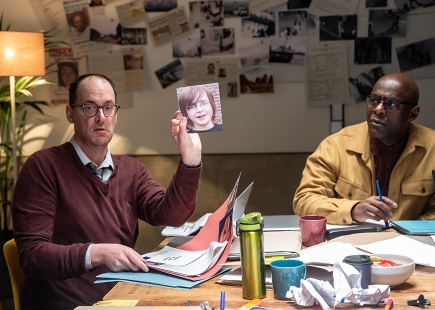
Merman executive producer Sharon Horgan said, "Working with BBH and Missing People to spotlight how we sometimes consume true crime in such a voracious, disconnected way really resonated with me. The writers’ room - where I've spent a lot of time over the years - felt like a very effective setting for exploring how easily human tragedies can be treated as disposable entertainment, forgetting that there are real people and real victims behind these stories. I really hope the film resonates and creates a meaningful impact. It was incredibly affecting to hear these families' stories directly and to collaborate with director and writer Rachel Stubbings again, alongside the brilliant creative team at BBH, to bring such a sharp and bold script to life.”
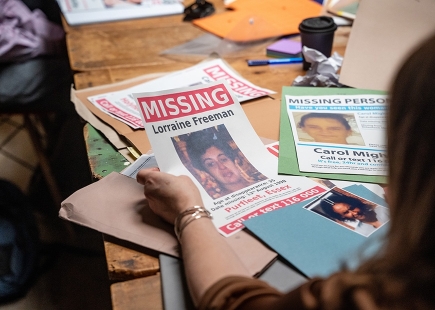
The campaign is supported by a series of hauntingly dark OOH posters designed to look like case files, and judged as entertainment with a series of flippant, detached post-it notes from TV producers.
Ross Miller, CEO of Missing People said “Every missing person deserves the attention they need in order to help them find safety. But it has to be the right kind. The vast majority of the public and the media are supportive and want to help. However, when speculation becomes intrusive or personal, this can add significant pressure to families at a time when they are already going through the toughest moment of their lives. In some situations, the stigma can also make it harder for a missing person to want to reach out.”
About the families
In recent years, multiple families have spoken out about the harm caused when their real-world trauma becomes public entertainment.
Jay Slater was just 19 when he went missing on holiday in Tenerife. His mother, Debbie Duncan, described being “absolutely crucified and ripped to pieces”, with her son becoming “dehumanised” as speculation spiralled.
It has been two years since 24 year‑old Jack O’Sullivan went missing in March 2024. His mother, Catherine O’Sullivan, who continues searching for Jack, said: “I read every single comment, theory, anything written about Jack. It can be heartbreaking - but what if there’s something important? Someone knows something. I can’t rest until I’ve read everything, but in an age where thousands of people feel they’re entitled to an opinion or a theory, it’s exhausting. It undoubtedly has caused my family and me untold damage. People need to realise the sort of impact these remarks or messages have on families like mine.”
Evidence Joel - Mother of Richard Okorogheye - who was sadly found deceased at age 19 in 2021
“It’ s so powerful. People should think about the ones left behind. It’s so hard on us. Richard isn't just a story - he is and always will be my son.”
Nerissa Tivy - Mother of missing teen - Alexander Sloley who has been missing since 2008 - aged 16
“This is going to hit hard. It's long overdue. I live this every day. Our whole lives are open for everyone to say what they want and make judgments.”
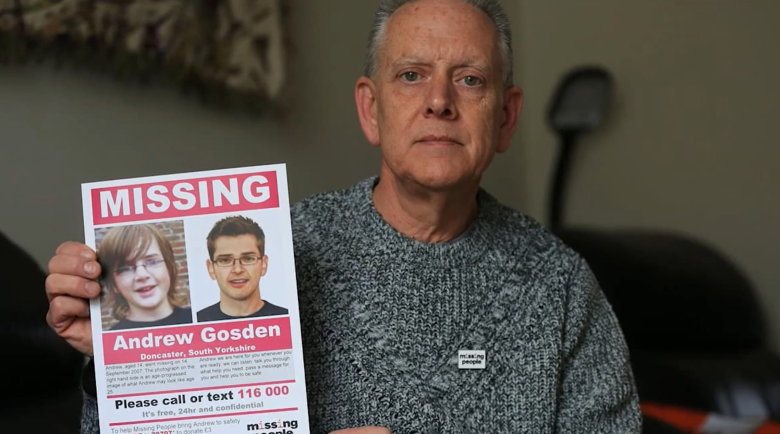
Kevin Gosden - Father of Andrew Gosden who has been missing 2007 - aged 14
“It really does hold up a mirror to everyone who thinks it's okay to scrutinise our lives. We have lived this for so long and it doesn't get easier. That's why I wanted to do this - to make people see and feel a little bit of what we go through. My family just wants people to think before they comment. This film is going to hit home.”
Missing People relies on public support to continue being there for families facing the heartbreak of a loved one going missing.
Please make a donation today. Your support will enable us to be there for as long as it takes.
If you enjoyed this article, you can subscribe for free to our weekly email alert and receive a regular curation of the best creative campaigns by creatives themselves.
Published on: