


From Feeld to Spotify: smart brands are embracing negativity
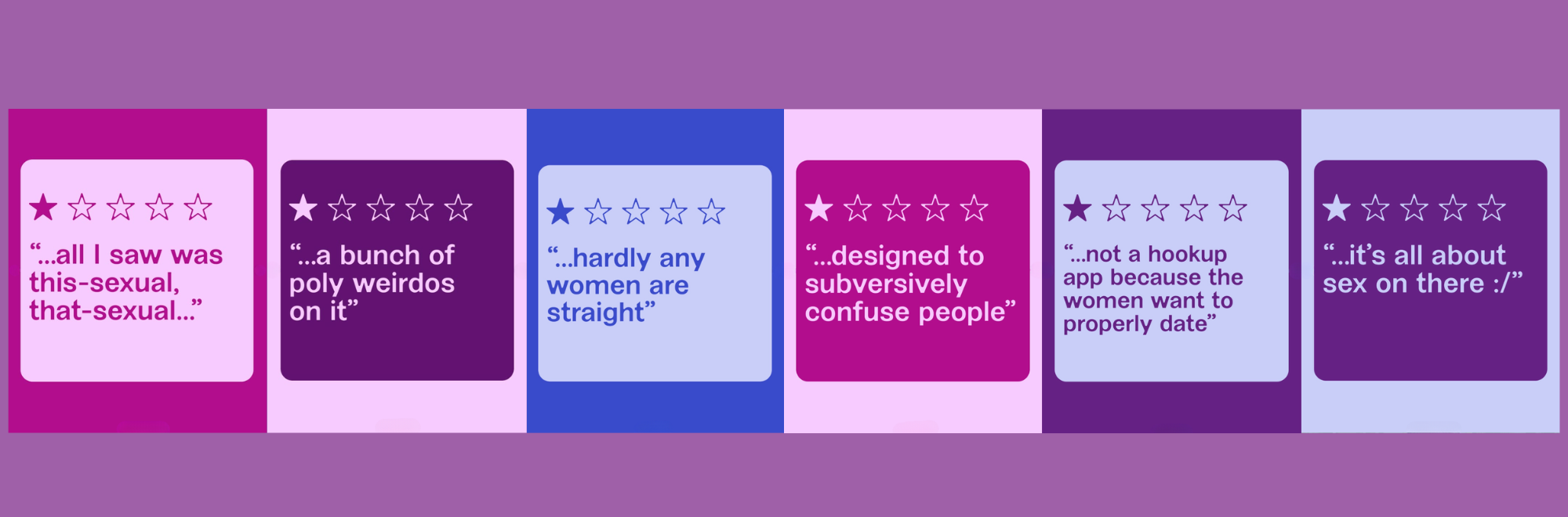
Rather than fighting negative reactions, both Feeld and Spotify this week turned them into creative assets.
Dating app Feeld has built an outdoor campaign around the kind of comments regularly thrown at its community. Lines reportedly included phrases such as "a bunch of poly weirdos on it"
Fan Life
Spotify’s ‘Let Them Rip’, meanwhile, embraced a generally negative aspect of OOH: fans' tendency to steal music posters. Instead of trying to stop them, Spotify designed posters that were meant to be torn down.
The campaign included perforated posters and hidden signed editions which fans could legitimately remove and keep.
Spinning a negative as a positive
We thought this little trend was worth exploring, and who knows, maybe you can weaponise negativity for your next campaign?
The Economist’s ‘Negative Headlines’ is perhaps the classic example of a brand turning perceived weaknesses into strengths. For decades, The Economist has run copy-led outdoor ads that poke fun at its own reputation for being intellectual, elitist and not for everyone. Rather than broadening its appeal, the work often suggested that if you "got it", you belonged.
The campaign is part of The Economist's long-running red poster heritage, originally created by Abbott Mead Vickers (later AMV BBDO). More recently, the publication has worked with Cocogun, which has continued the copy-led, intellectually provocative style.
Then, who can forget Pot Noodle’s ‘The Slag of All Snacks’ (devised by Lee Tan)? Surely one of Britain's most notorious examples of negative branding.
Pot Noodle was widely regarded as cheap, unhealthy and vaguely embarrassing. Instead of trying to reposition itself as premium, the brand embraced the criticism.
The campaign generated huge publicity and hundreds of complaints, with regulators ultimately ruling that the word "slag" was unsuitable for advertising.
Lastly, while it might seem an obvious one, Specsavers' ‘Should've Gone to Specsavers’ has built campaigns around mistakes, misunderstandings and public embarrassment for more than two decades. The joke is always at the expense of somebody who clearly needs an eye test.
In recent years the work has been largely developed by The Agency, Specsavers' in-house creative agency. But the joke isn’t wearing thin, oddly, which might prove our point here.
If you enjoyed this article, you can subscribe for free to our weekly email alert and receive a regular curation of the best creative campaigns by creatives themselves.
Published on: