


Imagination x Visa: World Cup recap

With the 2026 FIFA World Cup on the horizon, we caught up with Imagination for a recap of its work in Qatar, and advice on making this year’s event count, creatively.
Remember when all eyes were on Qatar for the first FIFA World Cup in the Middle East? Visa used its sponsorship of the tournament to demonstrate that the brand is much more than just a credit card.
The global campaign around the tournament was ‘For Fans Everywhere’, and the brief for Imagination was to create an innovative, accessible experience for the FIFA Fan Festival in Doha that enabled participation for all.
We caught up with Wesley Richardson, creative director, Imagination, to look back, and ahead.
Creative Moment (CM): How did the partnership come about?
Wesley Richardson (WR): We’ve worked with Visa for several years exploring how sponsorship can move beyond visibility into experience, creating moments people don’t just see, but actually step into.
Visa Masters of Movement came from a shared ambition to push beyond traditional activation work and test what sponsorship could become when you start designing for participation, not just presence.
From there, it evolved naturally. So when the 2022 World Cup came into focus, the brief wasn’t simply to “do something for the tournament” but how Visa should show up in a way that felt more meaningful to the passion points of football supporters.
The challenge was to take something inherently invisible - the digital movement of money - and make it feel real in the hands, or in this case feet, of fans.
And at an event like the World Cup, where attention is hard-won, it had to stand out. Something people would choose to engage with because it gave them something back and was worth their time.
CM: What sorts of ideas and discussions took place to decide on the campaign?
WR: We kicked around, quite literally, an idea that connected Visa’s technology with the beautiful game. There was a nice parallel there. Just like players and the ball move seamlessly across the pitch, Visa enables money to move seamlessly across the world. That became the core idea we built everything around.
From there, we started asking how you actually show that in a way that fans can experience? We landed on building a fully immersive football pitch—something people could step onto and be part of, no matter their skill level.
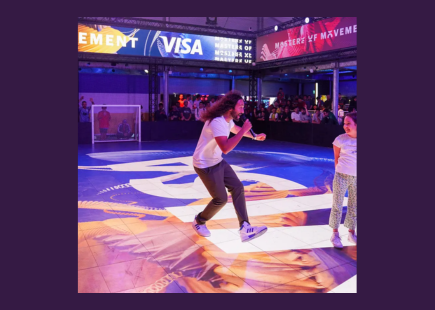
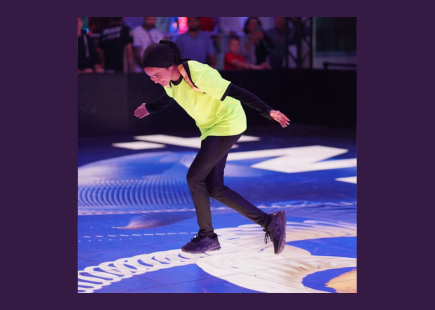
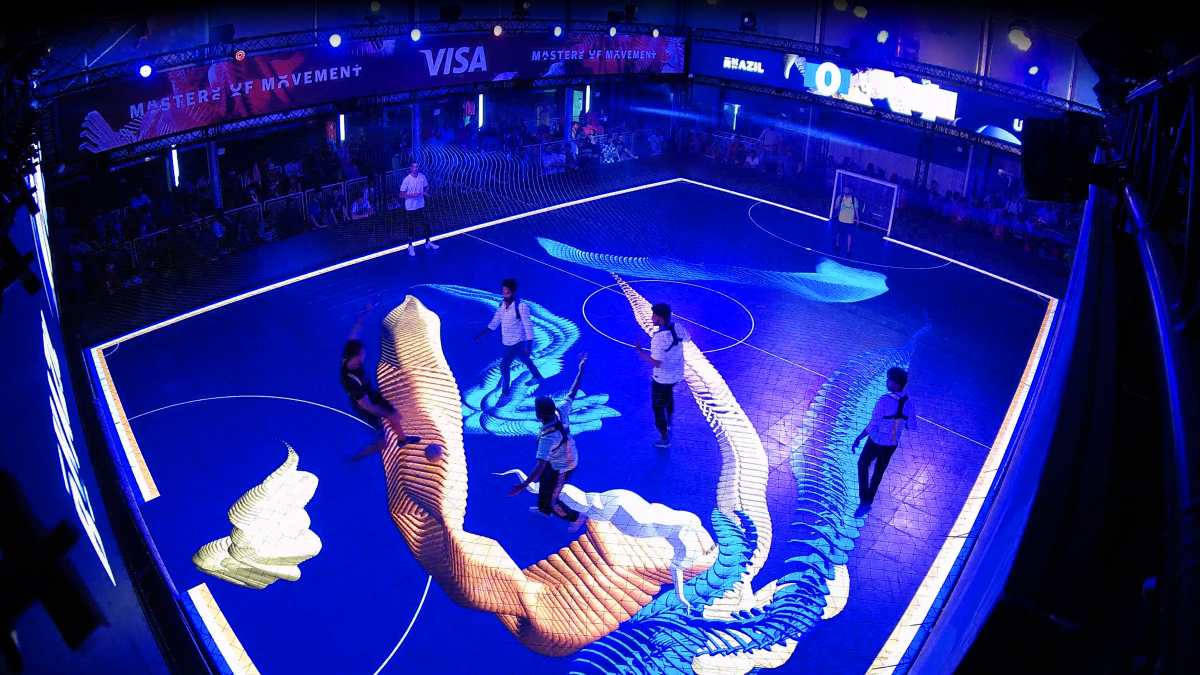
The end result was 'Visa Masters of Movement'. Popping up at the FIFA Fan Festival in Doha, it was a digital pitch fitted with sensors and tracking tech that captured how people moved as they played. Every pass, run, and shot was turned into data, and that data was then transformed into generative digital artwork in real time.
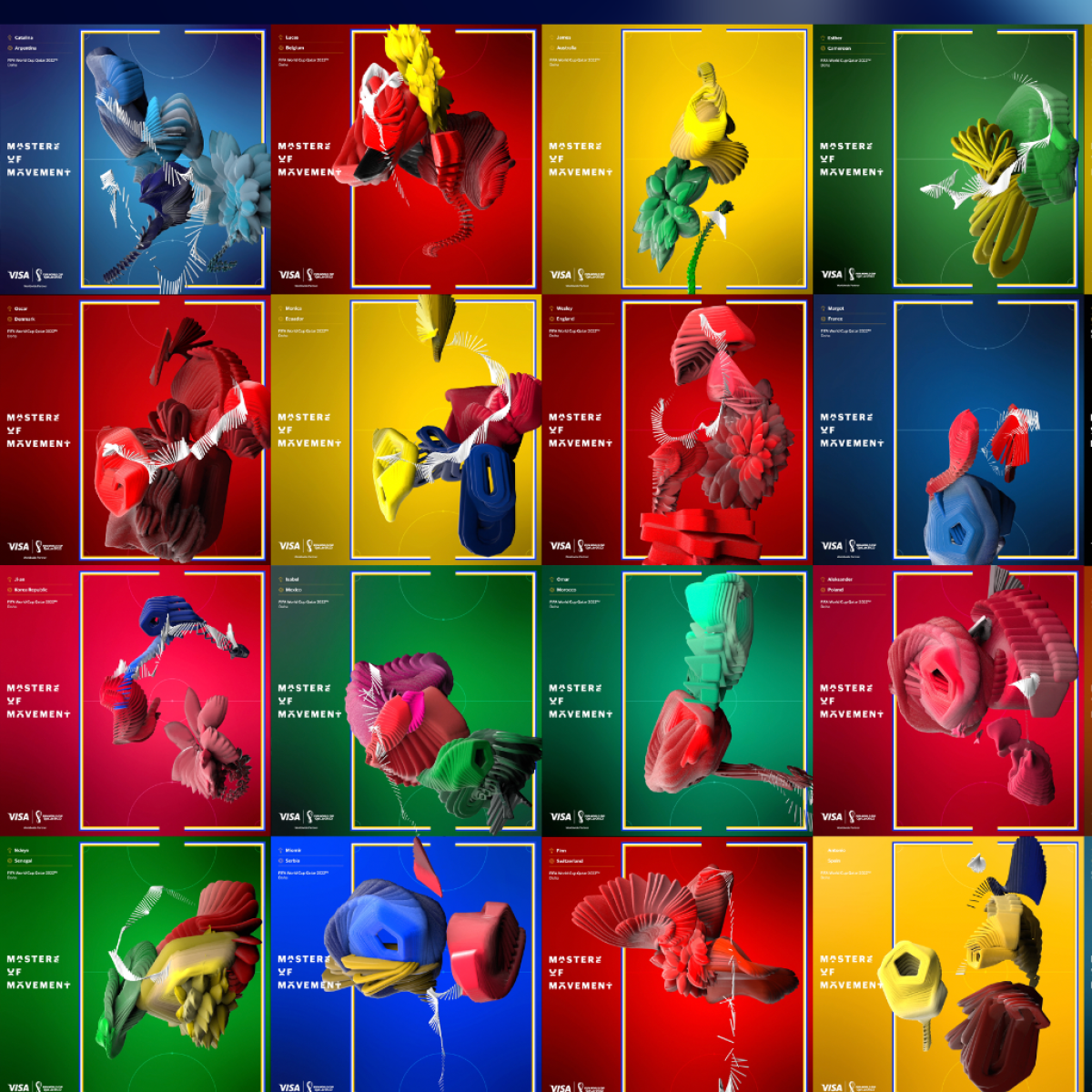
So instead of just playing a quick kickabout, fans could actually see their movement brought to life visually, turning their game into a piece of art. Each artwork was completely unique to that moment and that group of players, with the creative output adapting to team colours, speed of movement and power of shots.
We then took it a step further. Fans' artwork was minted as NFTs in partnership with Crypto.com, meaning they could own a one-of-a-kind digital piece tied to their experience. For a lot of people, it was their first real interaction with digital ownership and the wider digital economy, but in a way that felt fun and accessible. They could also compare their result to icons, as we worked with five legends of the game to turn their iconic World Cup goals into artworks - auctioned to raise money and awareness for Street Child United.
CM: How did you measure its success, and what was the reaction like?
WR: The best part was that the fans really were the main attraction. Across the activation in Doha, around 120,000 fans came through, whether that was stepping onto the pitch themselves or just watching others take part.
The energy was so high, it naturally drew a crowd because people were curious to see how it worked.
On the data side, the pitch generated around 24,000 unique pieces of digital artwork, all driven by real gameplay. Out of those, 12,000 people went a step further and signed up to Visa to mint and keep their piece. That’s where it really started to show a behaviour change. People weren’t just engaging, they were taking action.
On top of that, the campaign reached a much wider audience through PR, generating around 957 million impressions globally.
CM: What advice would you offer brands looking to stand out during the 2026 World Cup?
WR: The next World Cup is going to feel very different for fans, especially with it being spread across multiple countries. Travel will be a big part of the experience, and with that comes cost, fatigue, and a lot of moving around.
So brands need to think less about interrupting people on their journeys and more about helping them.
Fans don’t really want to be hit with ads when they’re in the middle of all that. They want things that make their experience smoother, easier, or just more enjoyable. The brands that will stand out are the ones that genuinely add value, making fans feel like someone has thought about what they actually need. And ones that simply understand how to tap into the passions of everyday fans.
CM: Any favourite campaigns/events in this genre you can mention?
WR: There are always loads to love around major tournaments, and as a lifelong fan of football, it’s impossible not to get swept up in the atmosphere every four years. From the kit launches to the broadcast design to the big ad campaigns and PR stunts, it all adds to the anticipation.
One that stood out recently was Adidas’ Hey Jude / You Got This’ campaign around the Euros. It nailed the emotional side of football; the hope, the belief, the shared experience of supporting a team.
It’s a good reminder that the best campaigns in this space aren’t just about the sport itself, but everything that surrounds it culturally and emotionally.
CM: How would you like to see brands engage in the world of sports in future?
WR: Sport will always be a huge platform for visibility; that part is guaranteed. But just being seen isn’t enough anymore.
The more interesting opportunity is in how brands can use that platform to truly connect with fans. Whether someone’s in the stadium or watching from home, they want to feel like they’re part of something.
That could mean more interactive experiences, more personalised content, or even just smarter ways of rewarding fans for their loyalty. Ultimately, it comes down to understanding what fans care about and finding ways to genuinely enhance that experience.
All images courtesy of Imagination/Visa.
If you enjoyed this article, you can subscribe for free to our weekly email alert and receive a regular curation of the best creative campaigns by creatives themselves.
Published on: